


Written By: Liv Gill
In recent years, the definition of Northern literature has been rewritten in the public consciousness by women, led by Eliza Clark's breakout pandemic hit Boy Parts, followed by Jessica Andrews' Milk Teeth and last year's bestseller The Lamb by Lucy Rose. Set across Cumbria, Newcastle, and Sunderland, these texts speak from within the region through dark comedy, gothic tones, and psychological discomfort, rejecting outmoded expectations of Northern literature as gritty, dark, and crime-leaning.
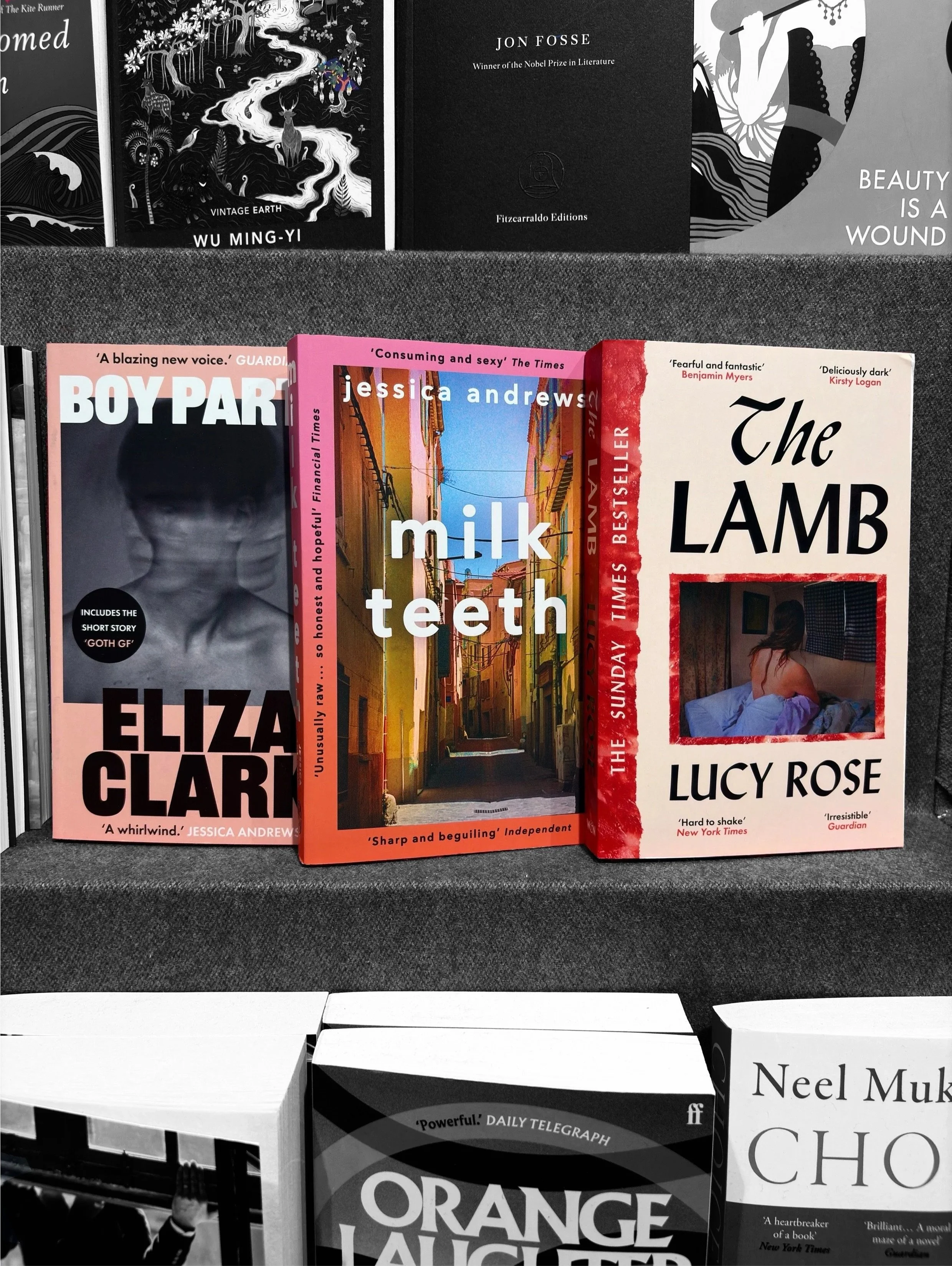
The North has also long been associated with vast moors and untamed landscapes, mirrored by depictions of similarly untamed people. Lucy Rose uses this belief in The Lamb when first presenting her characters to readers, then redefines these associations through the eyes of a child. The shift offers a fresh perspective on the Northern landscape as a metaphor for the unruly nature of the people through multifaceted, intelligent, and reserved female characters. Their only wildness is their taste for human flesh. Their relationship with their own bodies is constantly explores through how they care for themselves, sexualise themselves and regard each other’s bodies. There is no grit, no rowdy pub scenes, no overt working-class politics. Instead, horror and gore of the female kind, which leaves readers wondering: what exactly is the North and its people like, if not what I imagined?
Another reimagined version of the region can be found in Boy Parts by Eliza Clark, who sketches the North as somewhere her character Irene has found creative success, despite the popular belief that creative success is unattainable there. Similarly, Jessica Andrews' Milk Teeth explores the wider struggle of young Northern people who feel compelled to leave their home region to find success down south. Andrews’ protagonist straddles her past in the North with her present in London and Spain.
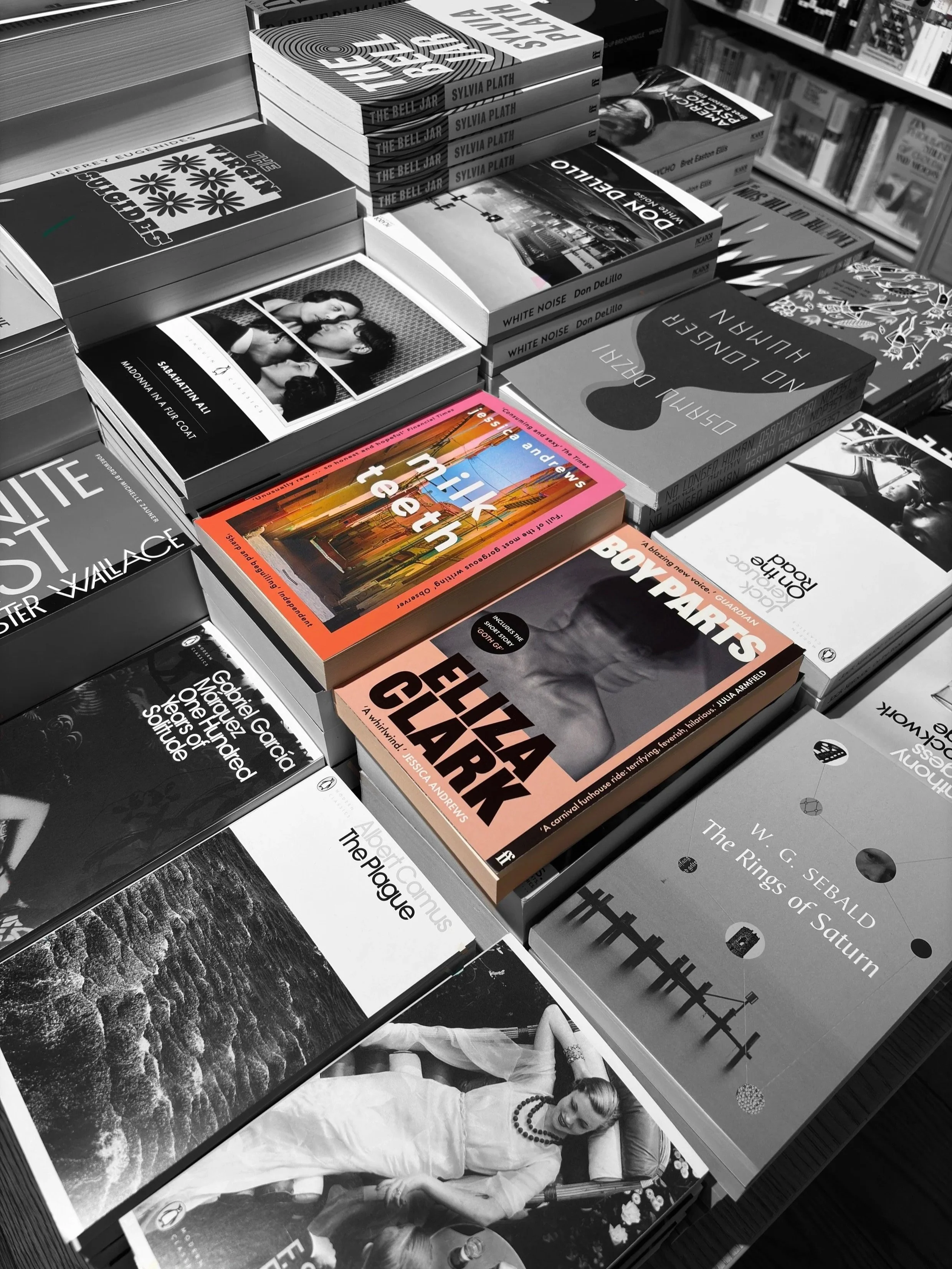
All three writers present complex Northern women, shaped by their upbringing but never defined by cliché. They often exploit the female body through objectifying description and interaction, similarly to wider culture, but subvert it to challenge readers’ unconscious biases about how Northern women are perceived: as wildly sexual and over-sexualised as a result. In Boy Parts, Irene sexualises her male subjects in the same detached, objectifying way she herself is sexualised, forcing readers again to confront these assumptions.
Despite their mainstream success and unmistakable "Northern-ness," these books are often flattened into the wider genre of British fiction. While they all share similar themes and regional grounding, they lack the critical mass to be classified as a distinct genre. Much like the success of Sally Rooney’s Normal People, which popularised a global modern Irish literary identity, these texts resonate because of their emotional relatability and universal themes. Readers connect with the universal female experiences such as body image concerns, feelings of not fitting in (regardless of location), identity, desire, and confidence.
Creative spaces championing Northern talent, such as New Writing North and Mslexia, have played crucial roles in the careers of Clark and Rose. Both organisations give writers the opportunity to develop their craft through workshops, publishing opportunities, mentorship, with New Writing North awarding grants to emerging writers. It is spaces like these that are integral in cultivating the next generation of Northern voices, shaping how they will interpret and represent the North, and what it means to be Northern, in their works.
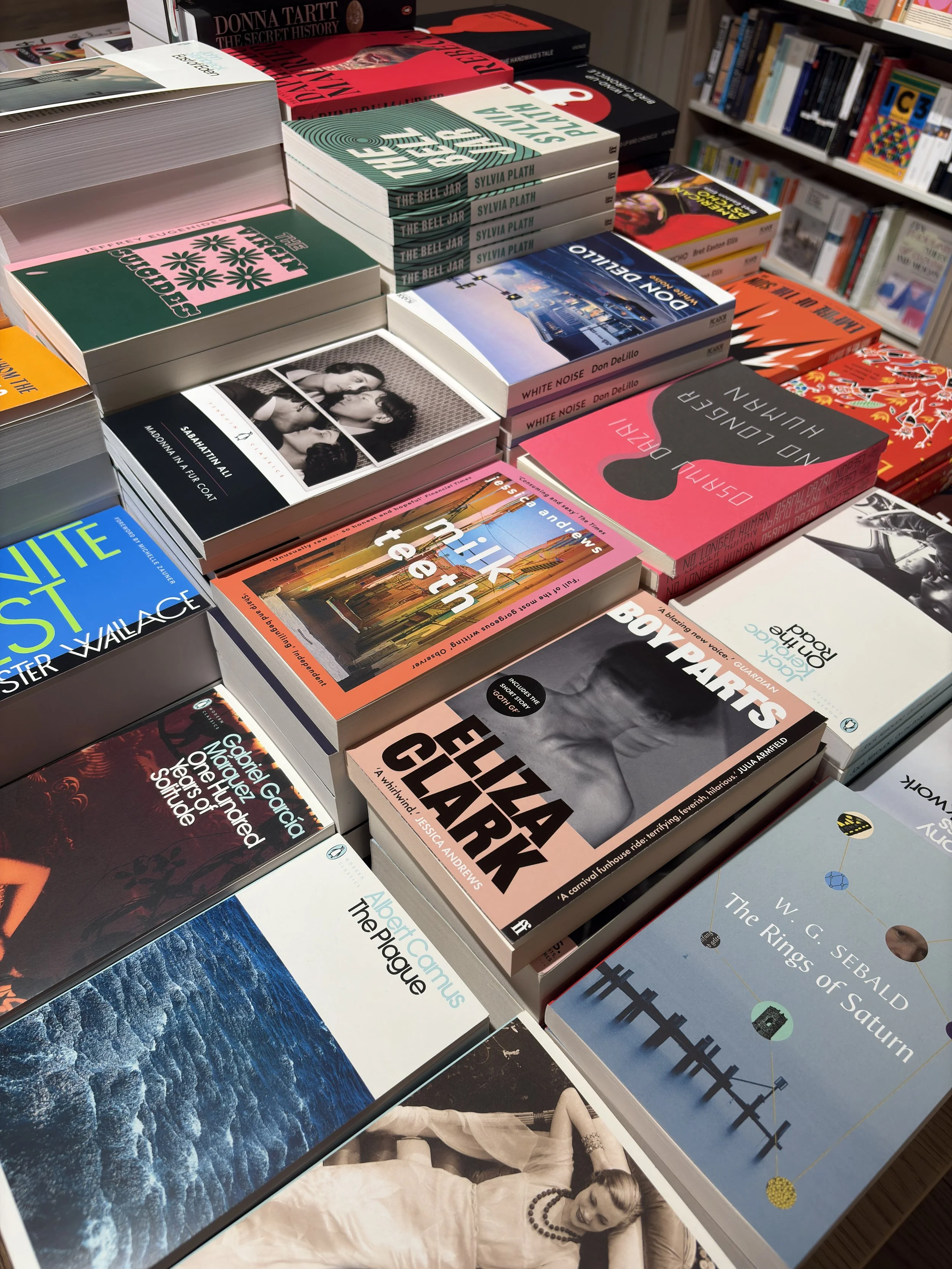
Emerging writer Abby J Walker, who once did feel pressure to suppress the Northern-ness of her writing in favour of "legibility," now feels the regional specificity is a strength. Having been first told by New Writing North that they could be a writer and having the support not just from Northern publishing spaces but also from The London Library Emerging Writer’s Programme, she has found a balance between regional authenticity and broader appeal. She said, "If you try to write for everyone, you write for no-one, and the first person I have to write for is myself. I find it very exciting to be starting out in my writing career at this point in time, with the strength of the Northern literary scene around me as a constant source of support and inspiration."
Following this shift in the themes and popularity of work by Northern writers, there is hope that this isn’t a trend but a lasting structural change to British literature. Which means, for the next wave of Northern writers, the genre loosely exists and will hopefully grow into its own recognisable genre over time and in the mainstream. There is so much potential for the next generation of Northern writers, particularly women writers, to explore and push the genre further beyond its boundaries and showcase not only the North’s talent, but also the region and its differing people, experiences, and landscapes. The way is paved for writers to solidify that the region’s voices are not just heard, but impossible to ignore.