


Produced By: Baka Bah & Rosie Callaghan
Shot By: Hawwa Alam
In Moss Side, Ramadan 2026 settles into the rhythm of the streets, into corner shops and schoolyards, into kitchens where food is stretched and shared, into parks where kids squeeze in one last game before sunset.
About three kilometres south of the city centre, this is a part of Manchester that has long been defined from the outside by headlines, stats and a reputation that people here will tell you is long outdated. Spend time here during Ramadan, it’s clear that this is a close, welcoming and open neighbourhood built on care and a sense that no one should go without.
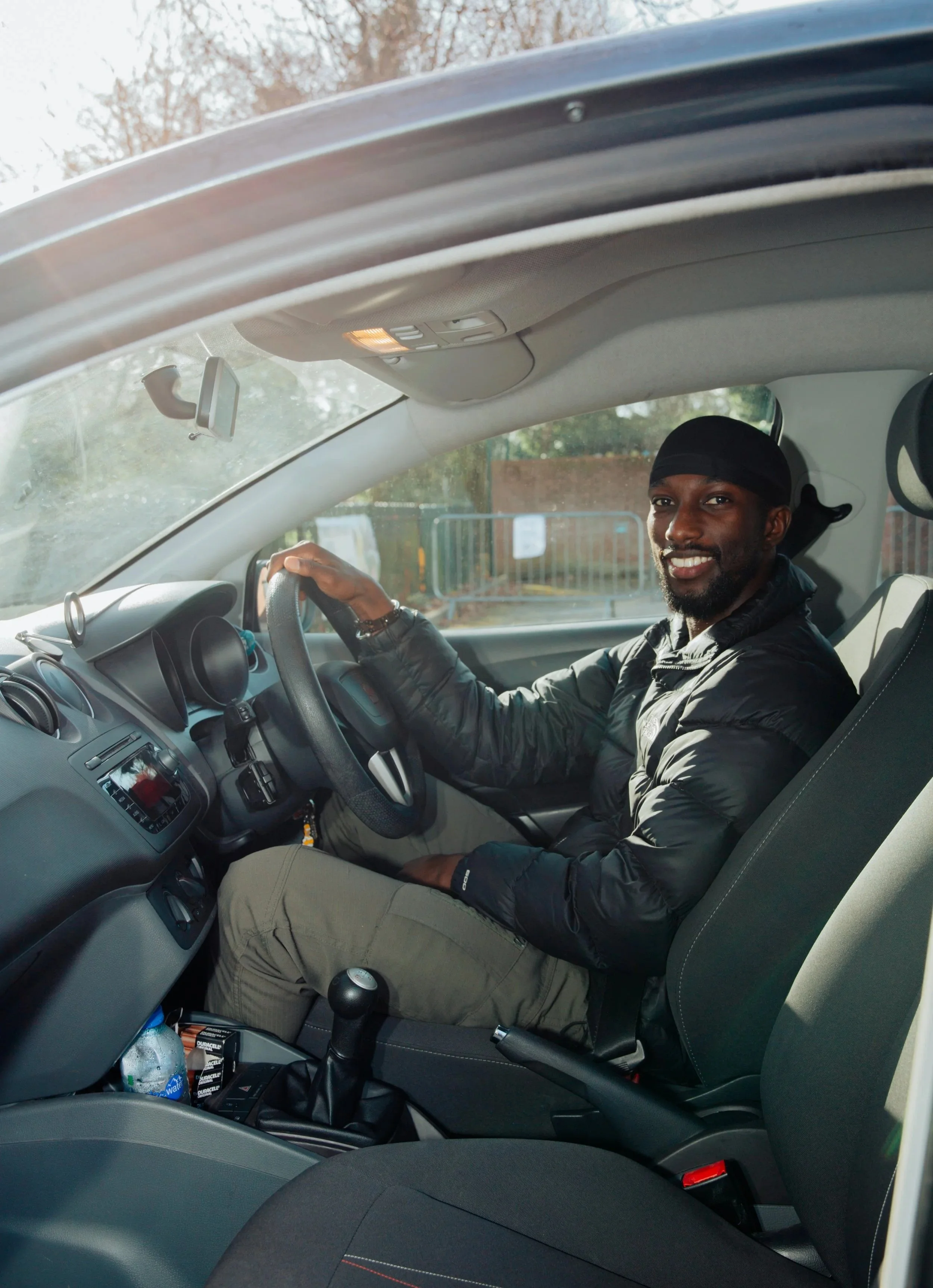
Local filmmaker Baka Bah had just finished driving us on a grand tour through the area when he paused on that idea, reflecting on what the month means here. “One thing about Moss Side is that I know I could go into any single mosque and be given an amazing meal, when it's time to break my fast during Ramadan – and I don't think you can really get that in many, many places.
I feel very privileged to know that I have that sort of community around me. I’m just imagining, like, if I was homeless, there’s so many places within Moss Side that I could actually go to. And this month just amplifies that sort of energy within the community.”
For us when speaking with Baka, it became clear that this certain energy doesn’t just sit in one place or belong to one group. It spills across multiple faiths, generations, and spaces. “I have a lot of Christian friends too,” he continues, “and I know that they’re so strong in their faiths… they run food banks. So it’s not just the mosques around here which are amazing – we have great synagogues around here as well. So it’s such a multi-faced area, and you have so many different groups who are doing so much good work and pouring it out into the community.”
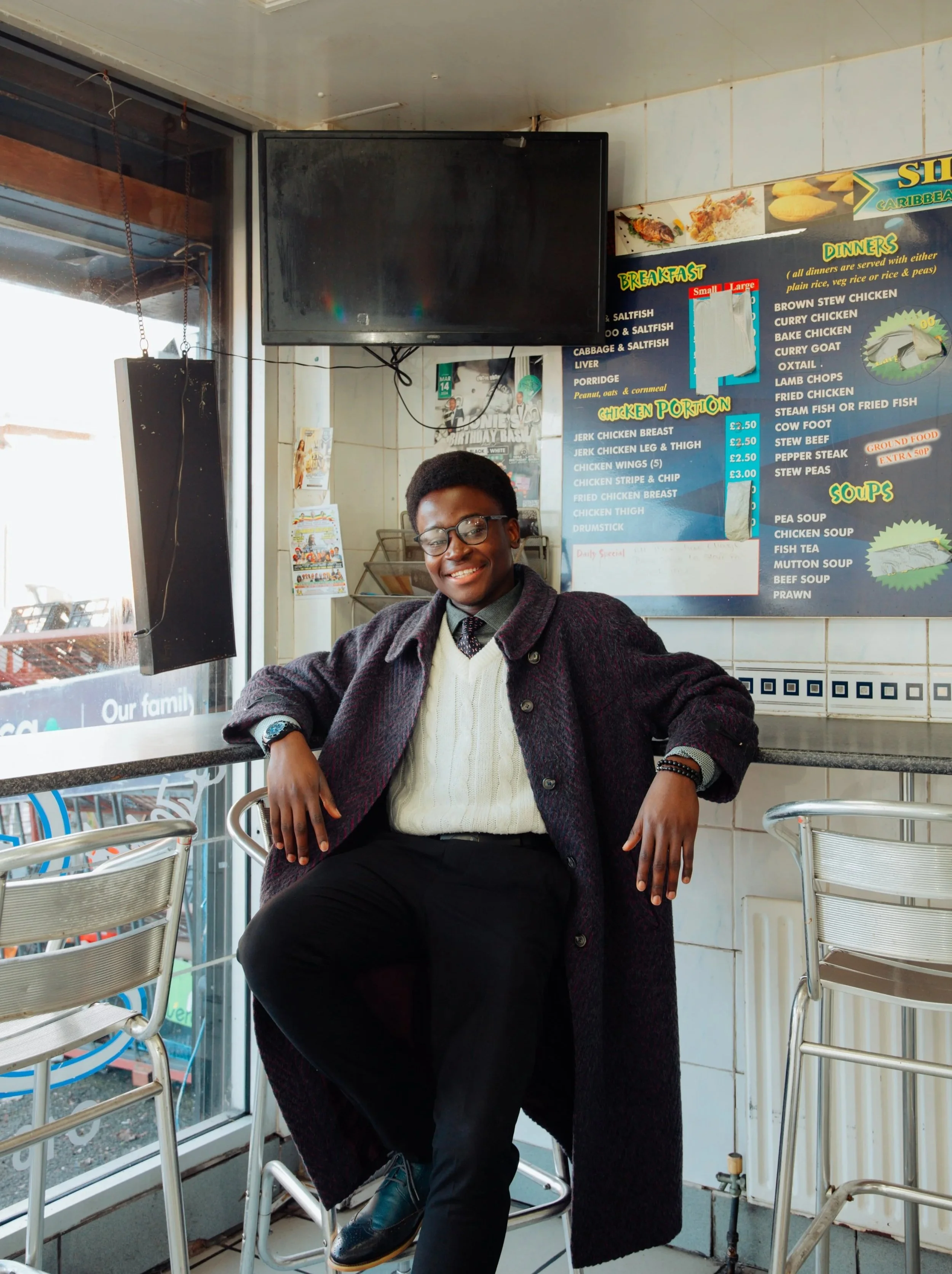
We later met with Tanya at Bembe Cafe, who told us that openness has shaped a more personal journey for her. After feeling disconnected from her faith for some time, moving into the area and engaging with the British Muslim Heritage Centre helped her reconnect. “They’ve really supported me there, encouraging spiritual practice in a non-pressure, judgement-free way,” she explains.
Ramadan, in her words, becomes something deeply internal as well as communal. “This is a very emotional, refreshing and nourishing time where we can connect with our faith, be very body aware in the state of fasting and bring ourselves closer to our intuition.”
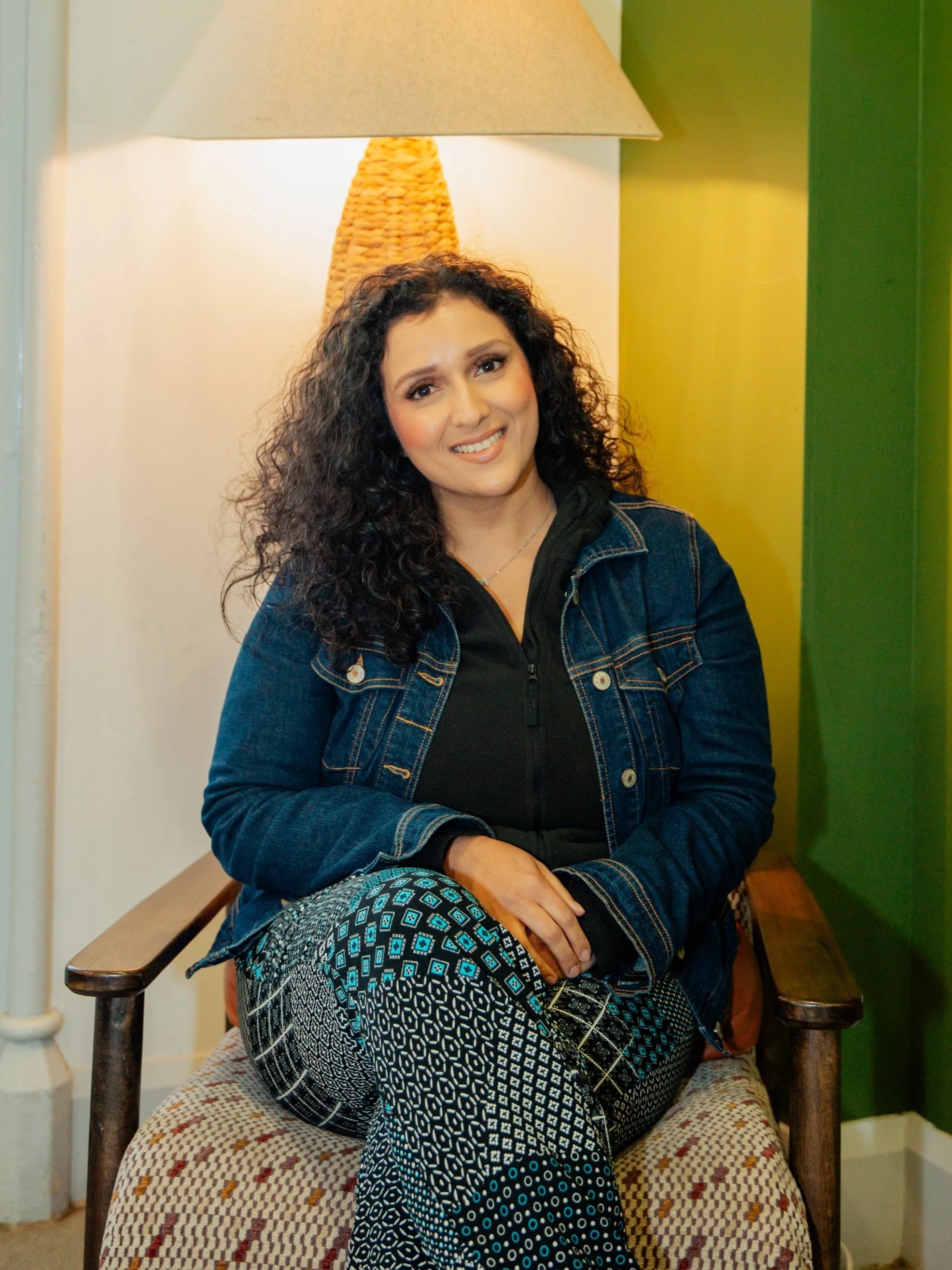
Her work, with a collective platform titled Gentle Steps, bringing local women together through walking groups and creative sessions, is rooted in that same idea of connection. “I like to talk to people, and hear about their experiences with faith and religion… this is one of the reasons why I formed my women’s collective.” Spaces like Bembe Cafe are becoming focal points for that; places where spirituality, creativity and community overlap without requiring a formal label. “We’re really trying to put in effort to cater to a range of different tastes and hobbies so that people can stay local rather than having to go out into the city centre.”
There’s also a strong awareness here of how Moss Side is still perceived beyond its boundaries. For artist True Aubz, that tension sits close to the surface. “Moss Side is home to me… it’s the first place I played out, made a friend, cut my knees,” she says. “It’s a community that deserves much more than what it has. It needs a light shining on it.” However, she doesn’t deny challenges, reflecting “we are a deprived area… it is very working class” – but she’s clear that the dominant narrative is outdated. “It’s not what you’ve heard in the media… it’s a beautiful place with beautiful people.”
Ramadan, for her, is something she’s grown up around rather than within, but its impact is still personal. “I’m not a Muslim but my love for the Muslim community… my next door neighbours even knock on the door and bring us food and it’s absolutely banging scran as well.” She laughs, then turns serious again. “It’s a month of sharing… there’s a high level of respect around here, we have so much humanity here.”
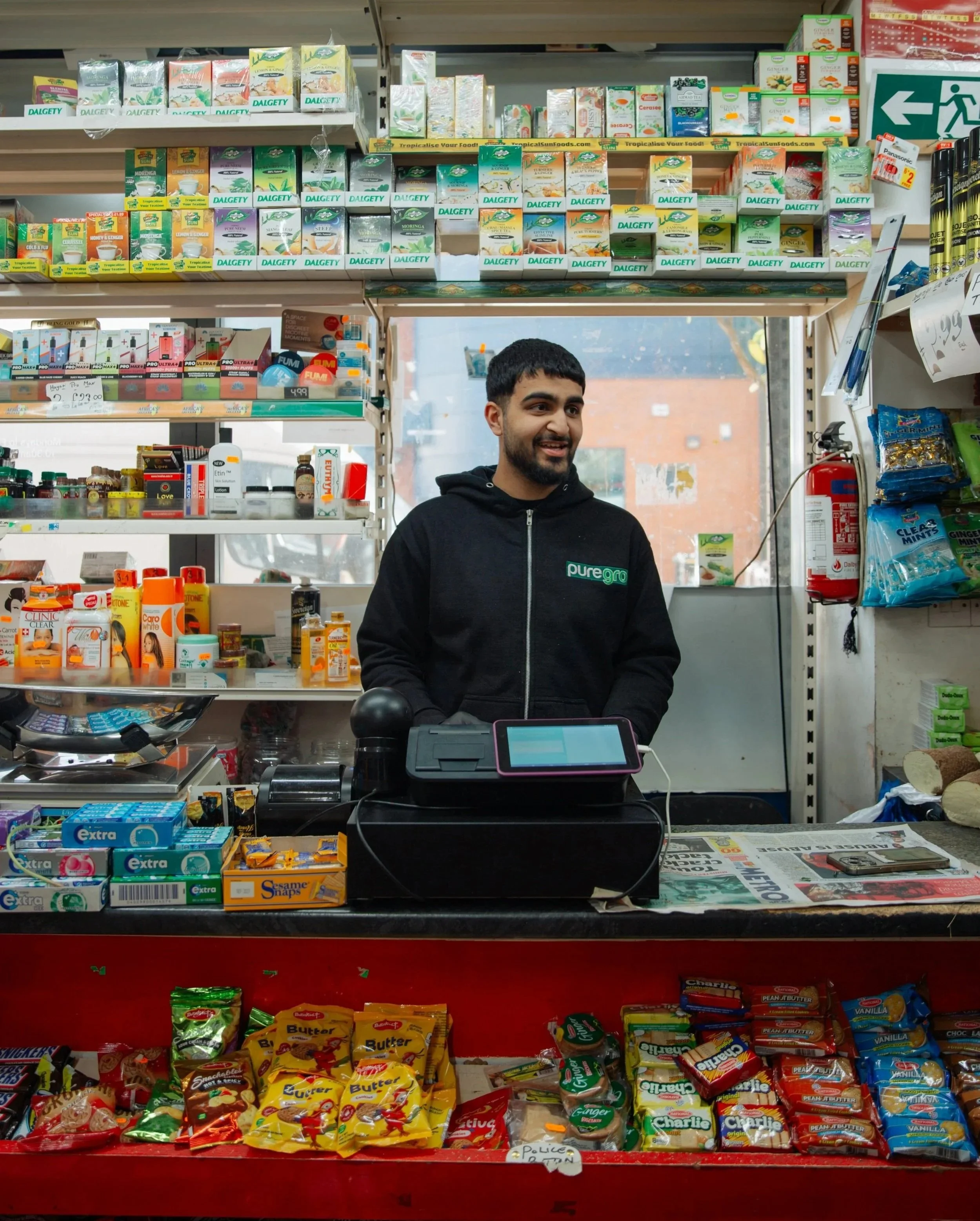
In local shops, that same sense of responsibility carries through generations. At NAS Superstore Ltd, Atif talks about growing up behind the counter his father opened in 2007. “Religion plays a massive part of life for me… a big part of my faith is charity,” he explains.
During Ramadan, that becomes action – donations abroad, support for locals, small everyday gestures that add up. “One big thing that Ramadan teaches me is patience… you go hours without food, and I actually think it makes you feel better. I always feel refreshed after.”
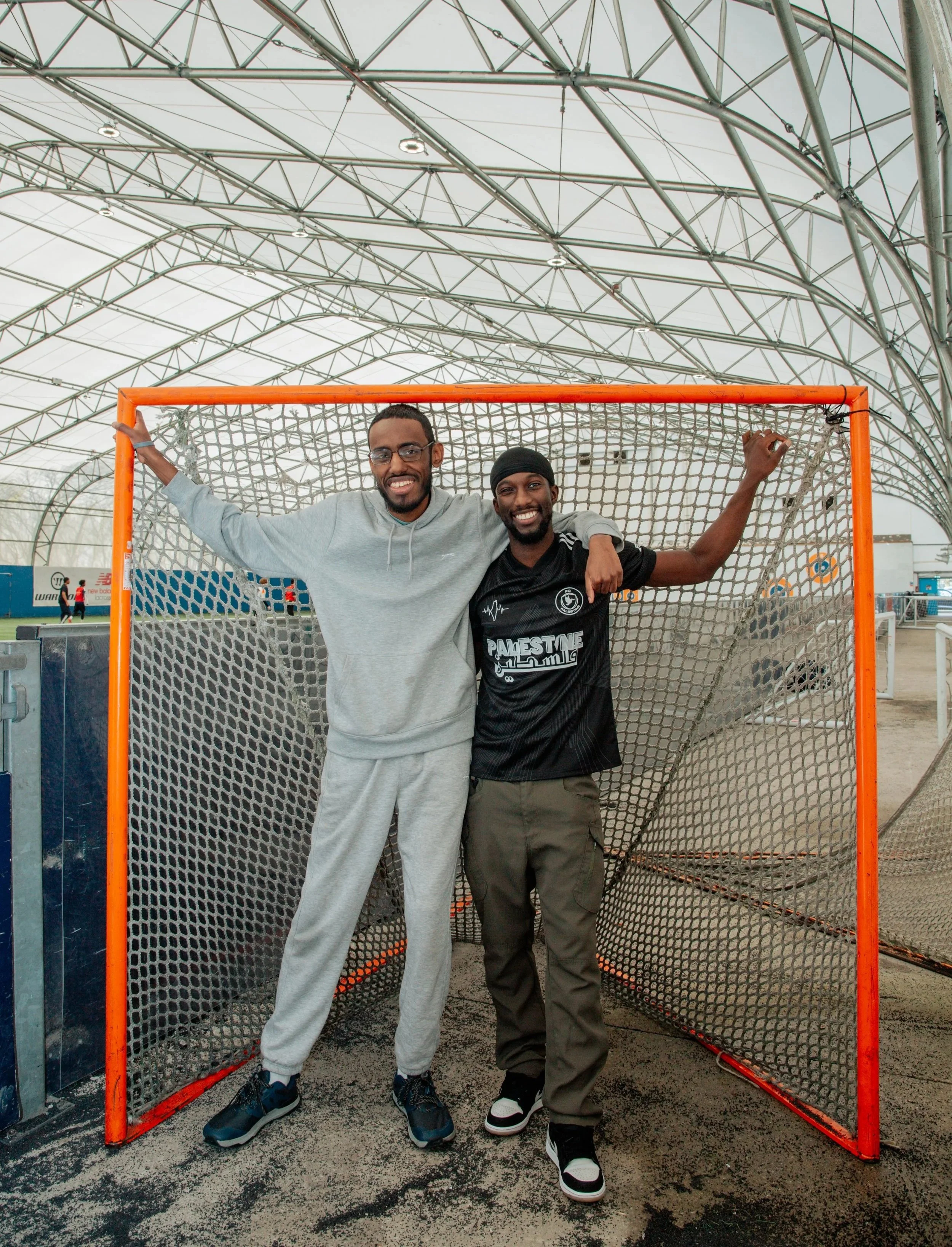
For younger people, that sense of togetherness is often experienced through everyday spaces, Mukhtar, who runs media for the football initiative CUKI FC - set up by Families Against Violence - describes how he found his role almost by accident. “I started coming here back in 2022… I realised there was no one doing the media for the football, and I wanted to support this place so started getting into it.” What began as filming matches turned into something more personal, documenting a version of Moss Side he felt wasn’t being seen. “I believe that Moss Side is underrepresented… I want to inspire people to be able to tell their own stories of where they live, what they do, and how they help the community.”
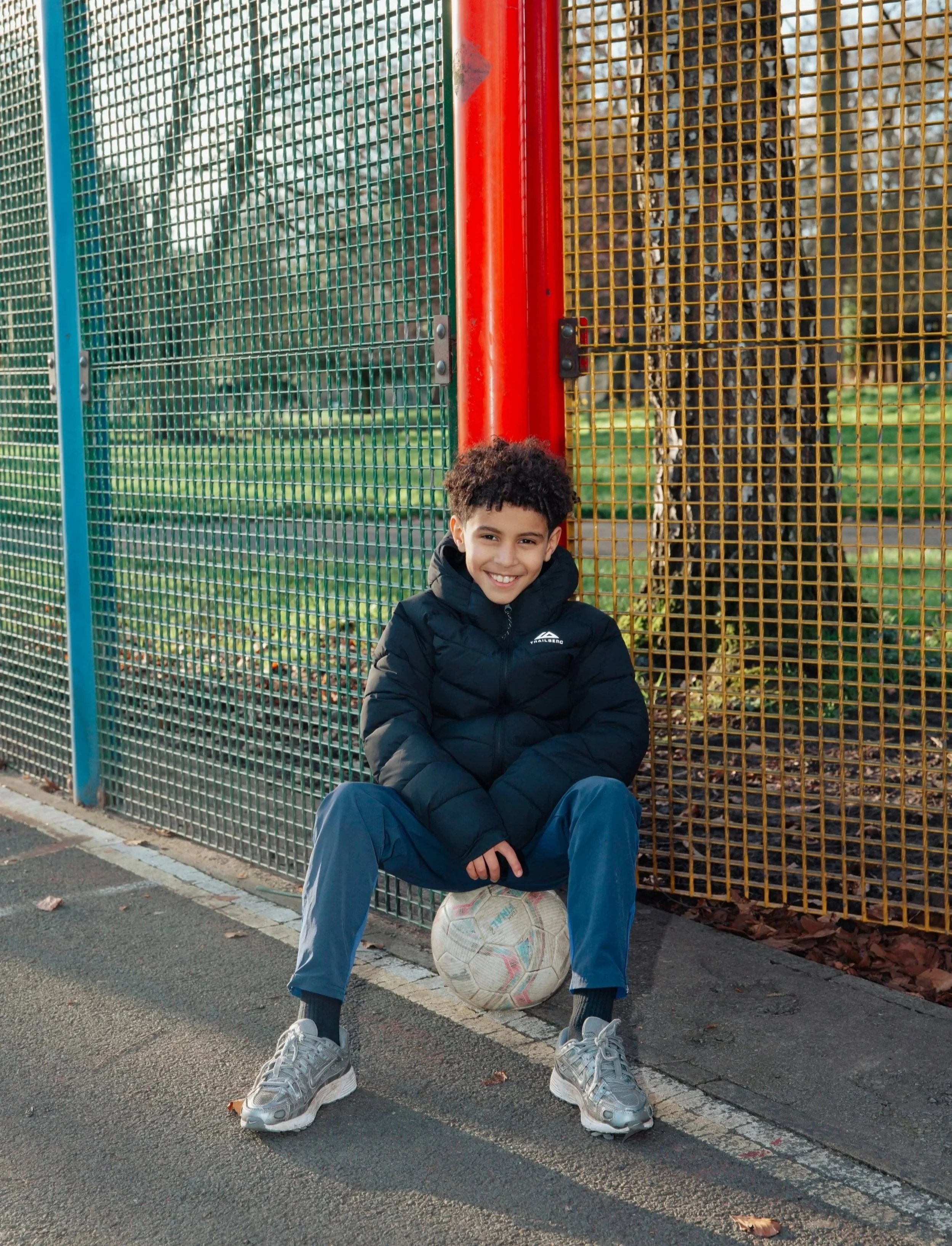
Younger voices echo that feeling in simpler terms. Bassam, who has spent his whole life in the area, describes Ramadan as “a time of reflection and peace… it should never allow for arguments and bad stuff.”
He tells us that his world is made up of school, friends, football, and faith woven quietly through it all. “I feel so safe,” he says. “There’s loads of spaces for us in the area to be free and express ourselves.”
Across Moss Side, these moments repeat themselves in different forms: in youth centres like the Millennium Powerhouse Youth Centre, in cafés, in parks, in homes where extra plates are always prepared just in case someone drops by. None of it feels performative, just how things are done. And that’s what stands out most for us. Ramadan here in 2026 is embedded into the everyday, into how people greet each other, how they share what they have, how they hold space for one another.