Written By : Mikylah Ojinnaka
Edited By : Claudia Burke
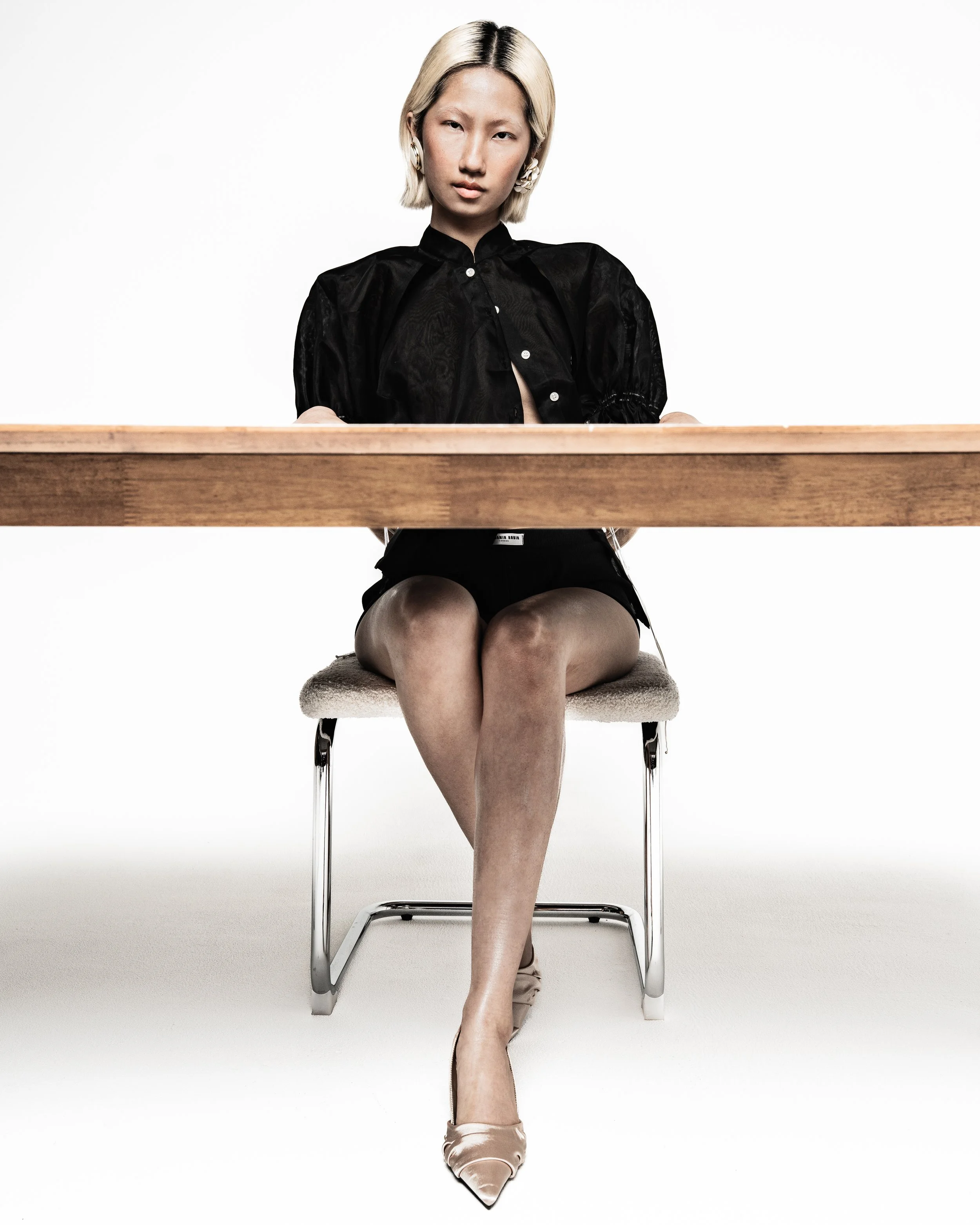
Manchester-based creative Lucy Lu doesn’t just design clothes; she reimagines what it means to belong. By fostering a bridge between Chinese culture and diaspora, her designs tell a story that extends beyond the wider context of heritage, depicting the strange but familiar feeling of assimilating into Western culture as a first-generation immigrant.

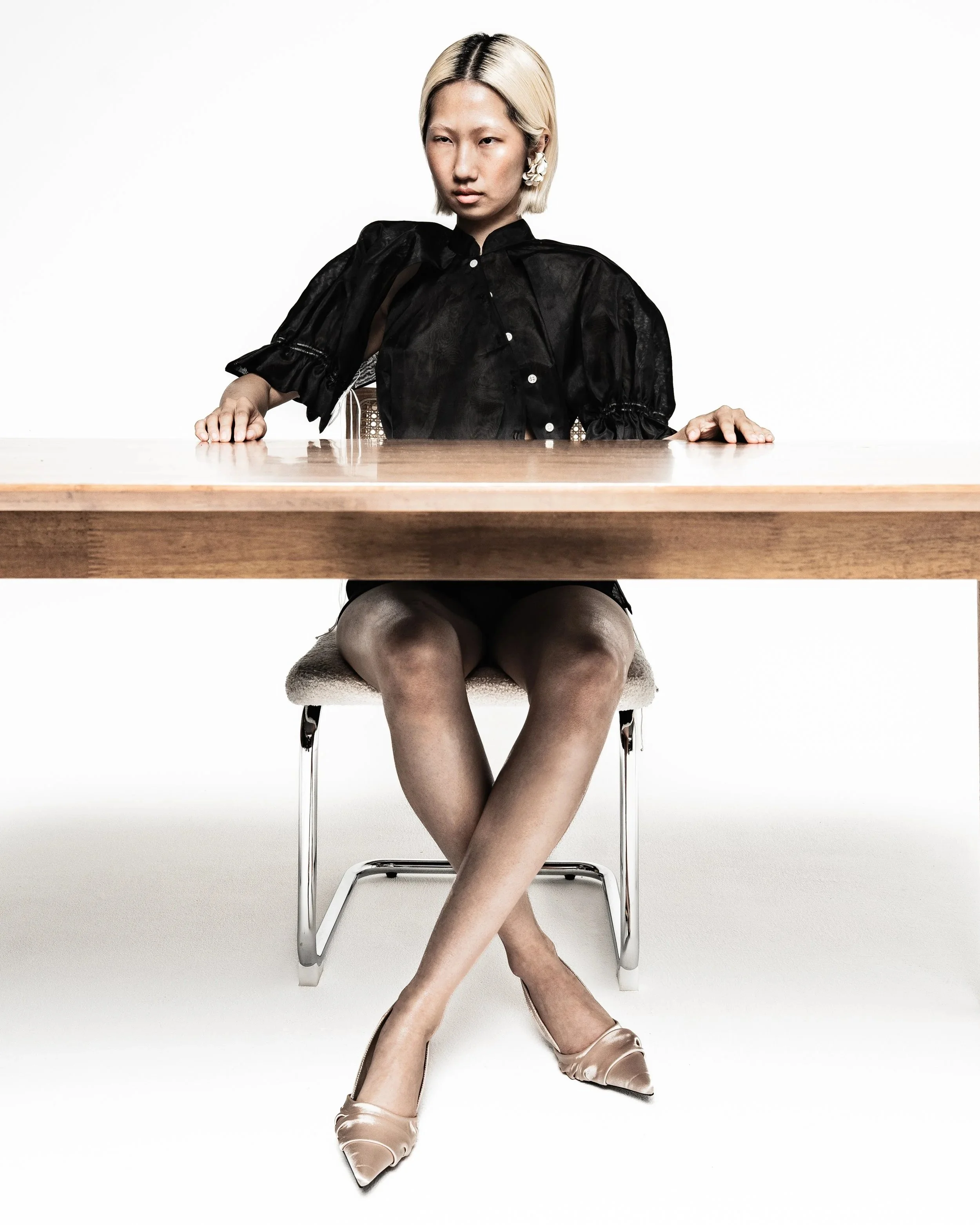
Born and raised on the Wirral, Lu’s creative practice manifests as a form of communication. By integrating elements of Chinese culture and her “alternate mindset”, Lu has established a reconciliation between her split identities, explaining that her garments “celebrate the fun of human identity" whilst educating others “along the process”.
For Lucy, fashion design has enabled her to create dialogue surrounding her personal story by “juxtaposing traditional womenswear elements and combining these with menswear staples, fabrics, and finishes” to reconcile the idea of who she is now and the projected version of herself that her parents envisioned for her during her childhood. Lu’s master’s collection titled “On The Magpie Bridge” is an amalgamation of multiculturalism, dually expressing the contrast and connection of what it means to be a part of “two opposing worlds”.
Exploring the depths of fashion by incorporating Chinese folklore into her designs highlights Lucy’s struggle of “feeling like a tourist” in her homeland, revealing that she “grew up unaware of the sacrifices” her mother made, which included leaving China during the one-child policy.
“Taking my brother with her, she left behind life with my dad and her family and started a new one in a foreign land.” Despite growing up innocent to the hardships of her family, Lucy felt the “love and courage” of her mum, thus creating a collection that “aims to highlight this feeling of fragility and sacrifice, with each look symbolic of a character in the story.”
Lucy illustrates that her collection, inspired by the story of ‘The Cowherd and The Weaver Girl’, begins with “a poor mortal man meeting a celestial woman, and they fall in love, but their time on earth together is cut short, and she is banished back to the sky”, explaining that “The Cowherd sacrifices his loyal ox companion to see her again, but the Queen Mother of Heaven, with a wave of her hairpin, creates the Milky Way to split heaven and earth for good. But once a year, all the magpies in the world would feel sorrow for these star-crossed lovers and form a bridge with their wings and bodies so they can meet in the middle once more.”
“I fell in love with the story of this celestial-mortal couple.” Lucy was inspired, not only by the story but also by the characters’ ability to be “bound by love yet separated through beliefs; their love proved so ardent that they defied the gods and were able to meet again.”
Lucy’s Chinese heritage and northern identity mirror the folklore’s allegory of belonging to two places, which is integral to who she is. “Growing up on the Wirral definitely had its ups and downs,” Lucy observes, describing that despite the lack of culture and diversity the Wirral had in comparison to Manchester, she loves the “everyone knows everyone vibe of being from a small town”.
Crediting her small town as a crucial reason she got into fashion and making her own clothes, Lucy claimed that she “wanted to fit in whilst not breaking the bank. Back then, northern identity to me was fake tan, getting dolled up, and a curly blow before a night out!”
When posed with the question of what northern identity means to her now, as an emerging creative leaving behind the blues of postgrad limbo, Lucy believes, "It's really about being down to earth and staying genuine – no frills, no fronting, and also being able to have a good laugh with your mates."
It’s evident that Lucy's creative process revolves around intuition and happiness, advising others to “enjoy the time whilst you're young to try new things, meet new people, and live a little before the steady 9-5 lifestyle,” as venturing into creative spaces comes at a price of fierce competition and the risk of losing your ambition to burnout.
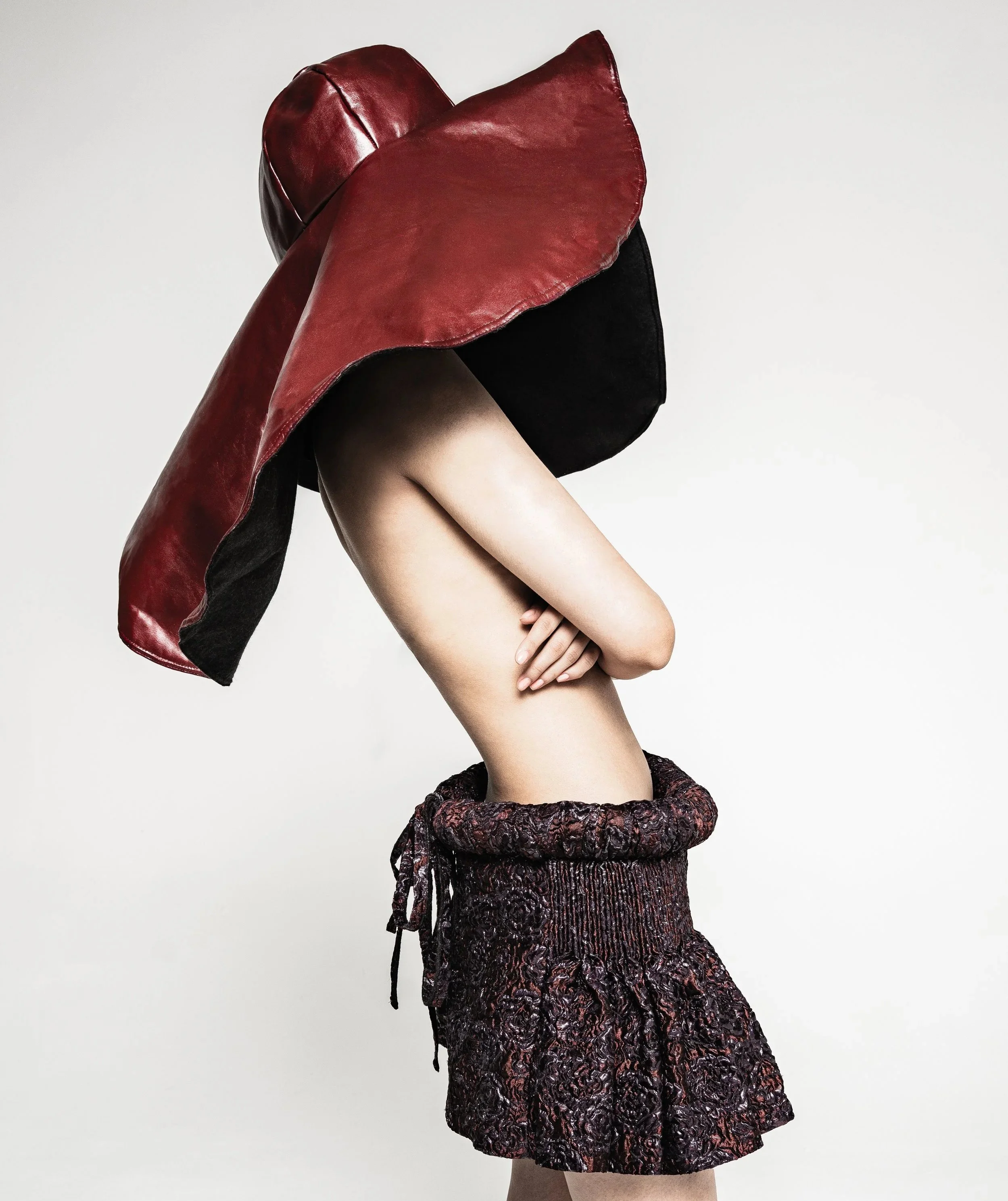
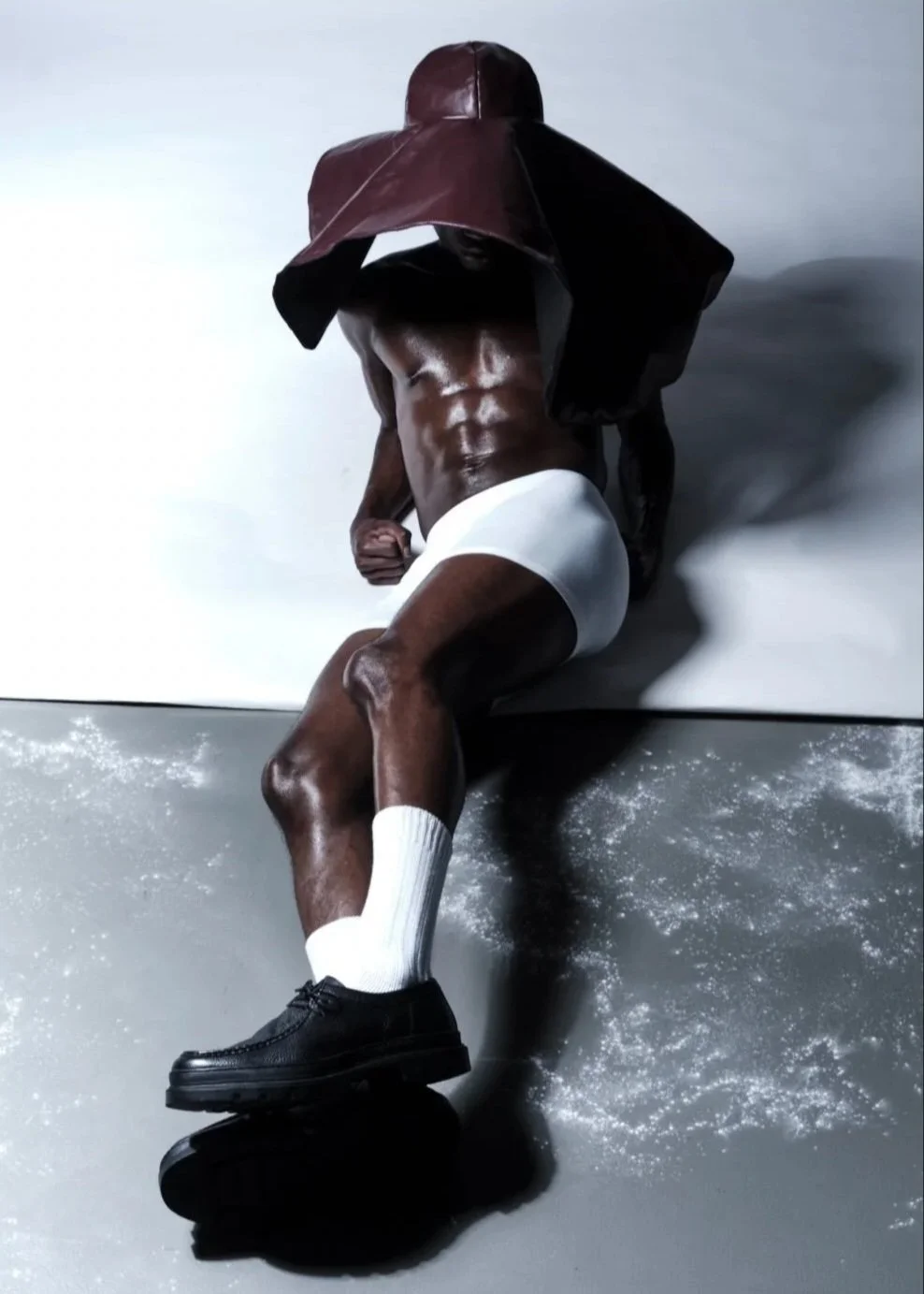
“I think often, in creative spaces especially, there's this air of wanting to be able to say you work for a big brand or you've done this many brand deals or have this many followers, etc., but at the end of the day, it's your job and your life that you're working towards. If you're not happy, that affects no one but you.”
Lucy’s mindset proves successful, as she continues on her path towards “introducing a new divergent community regardless of heritage, race, gender, or class, to promote a more diversified world" through her fashion designs. This has led her to landing a position as a university lecturer teaching fashion design in China, allowing her to share her passion with others.
As Liverpool's creative and digital sector is expected to gradually increase by over 10% in the next five years, Lucy advises the growing community of diverse northern creatives to “keep yourself in creative spaces and surround yourself with passionate people; work hard and something will come to you before you know it – your dream job might not even exist yet.”
Although her original plan of “moving to London, finding an entry design position and just going from there” changed drastically, her craftsmanship and adaptability when creating work that is intrinsic to who she is as a designer have evolved by embracing the struggles and sincerity of her “split” identity that make her whole.