Written By : Mikylah Ojinnaka
Poetry is not simply words on a page. It is a lived experience translated into form – and sometimes into image.
For the multifaceted 24 year old stylist, director, and writer Annalise Vujovich from Leyland, the process of self-publishing her first poetry collection this September has become not only a literary pursuit but also a visual and conceptual one.
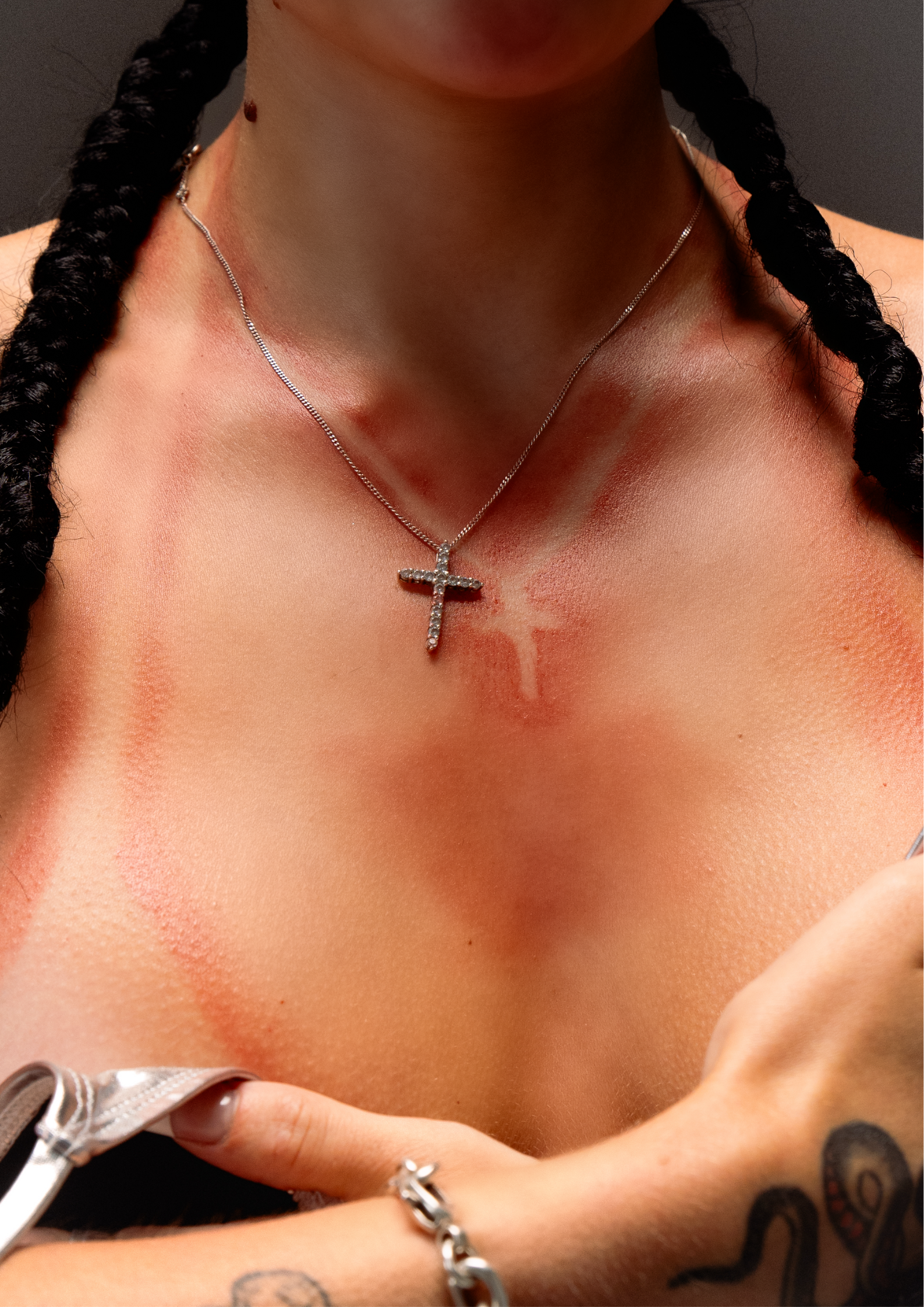
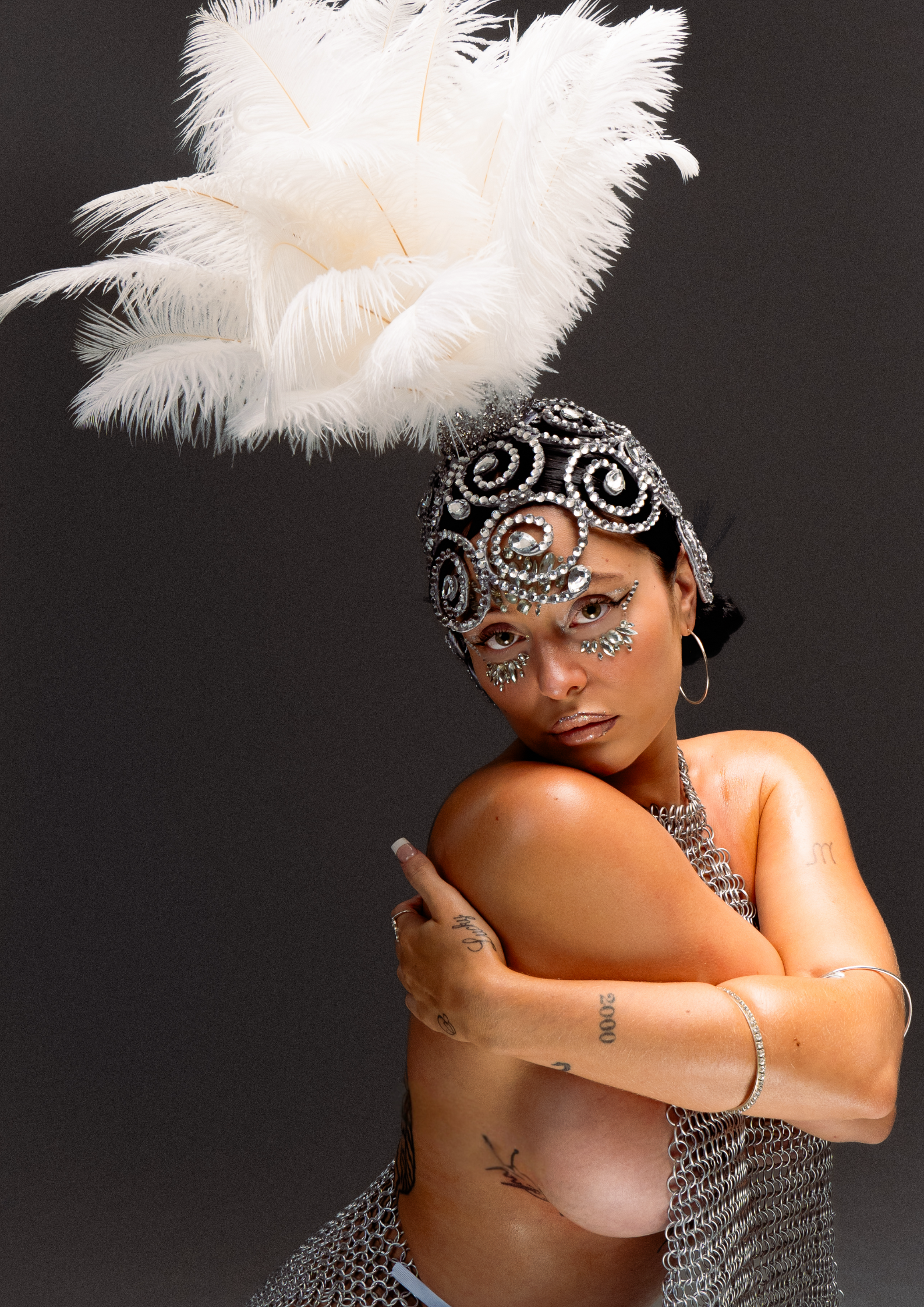
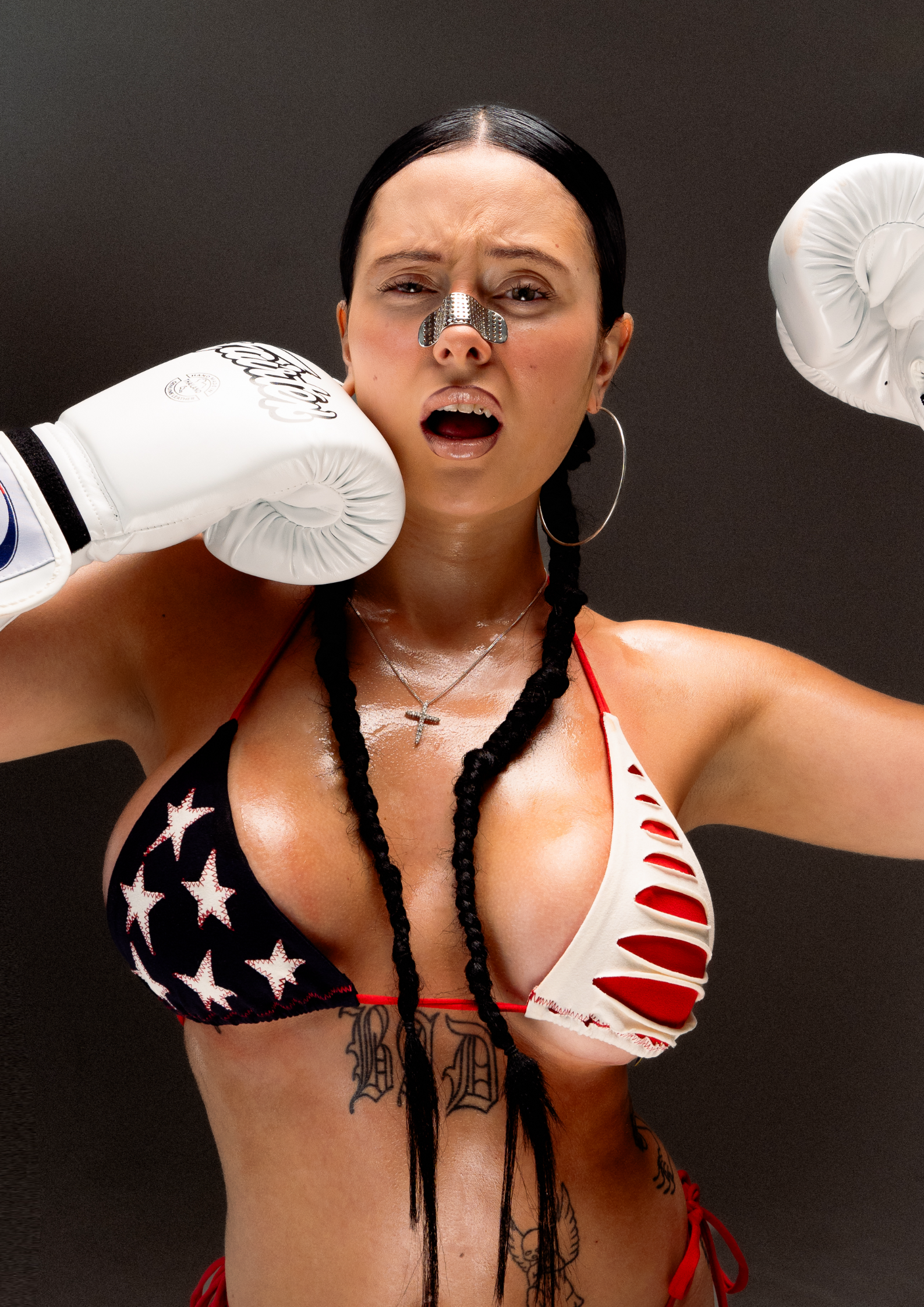
To mark the books forthcoming release - titled “Locally Hated” , Annalise collaborated with long-term creative partners: photographer Bethan Kelly, makeup artist Angela Jones, and set designer Ashes Estorie. Together, they produced a triptych of striking portraits – each look a reflection on identity, struggle, and transformation.
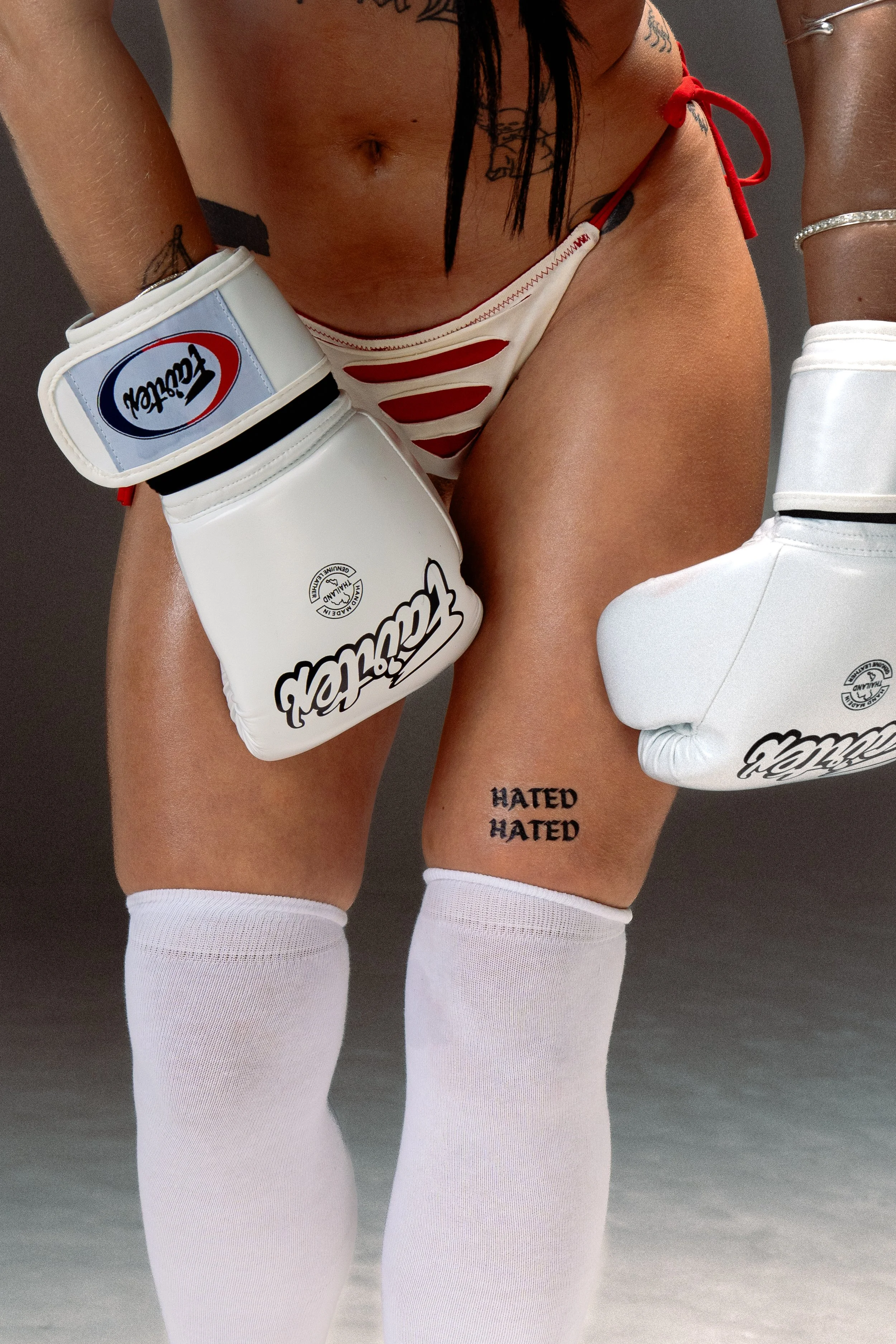
Vujovich’s creative vision is a direct translation of her writing: symbolic, resistant and layered. One of her standout looks frames the body as a site of endurance. Gloves, stance and shadow are used to not only represent physical combat but also the psychological fight of an artist pushing against critique, marginalisation, and doubt. The visual metaphor of this image is less about violence but more about survival – depicting the hustle of carving out space in a cultural landscape that is often hostile to vulnerability.
Though deeply personal, the project is not solitary.
Vujovich describes her partnership with photographer Bethan and designer Ash as familial:
“We’ve worked together for over three years now. It was really nice to create this with them – we’re like a family.”
This intimacy is palpable in the images, which balance defensiveness with vulnerability while delivering visual theatrics with sincerity, extending the language of Vujovich’s poetry into another medium, reminding us that literature does not exist in isolation but often finds its most powerful resonance in cross-disciplinary exchange.
The title of the book at the time of the shoot remained deliberately withheld. Vujovich had chosen to keep it under wraps until its full launch:
“I feel it’ll have more impact when I decide to fully release it.”
This decision is a poetic deliverance of anticipation, a quiet recognition that naming is not merely a marketing device but an artistic gesture. By delaying disclosure, Vujovich allows the imagery – and the conversations it sparks – to stand as the book’s provisional language for now.
What emerges from this project is not just a promotional campaign but a reflection on the porous boundaries between poetry, performance, and visual culture.
Vujovich’s work is rooted in Manchester, shaped by resistance to external critique, and alive to the complexities of movement – across stages, across borders, across identities.