Edited By : Aimee Ward
In a cultural moment where fashion often risks collapsing into imagery made for scrolling rather than reflection, Keira Brown is pursuing something different. A Creative Director and Stylist originally from Dronfield, her work insists on depth: on narrative, affect, and the subtle ways in which style can register memory and loss.
“I hope to make space for alternative perspectives in fashion: stories that aren’t often told, people who aren’t always seen.”
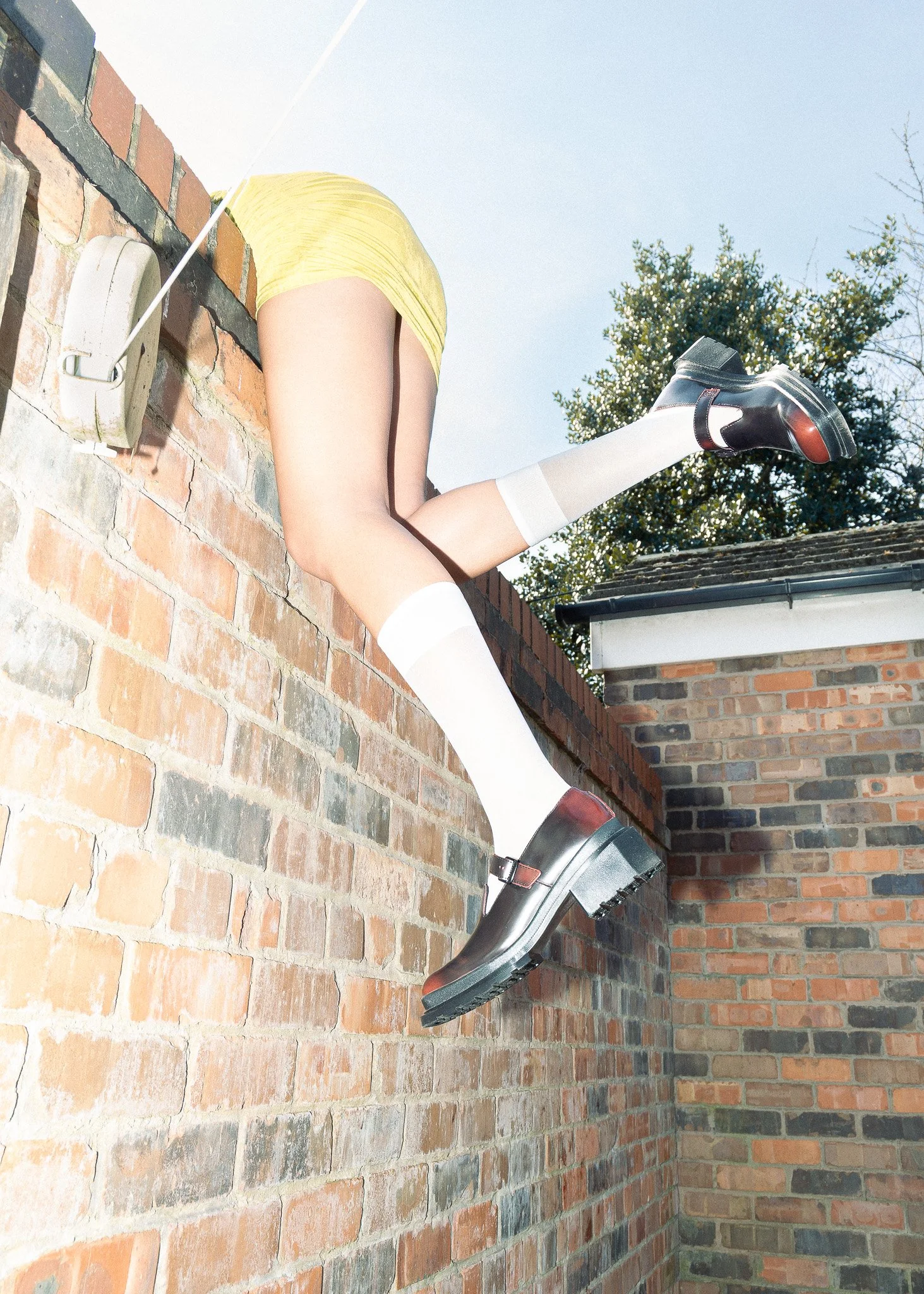
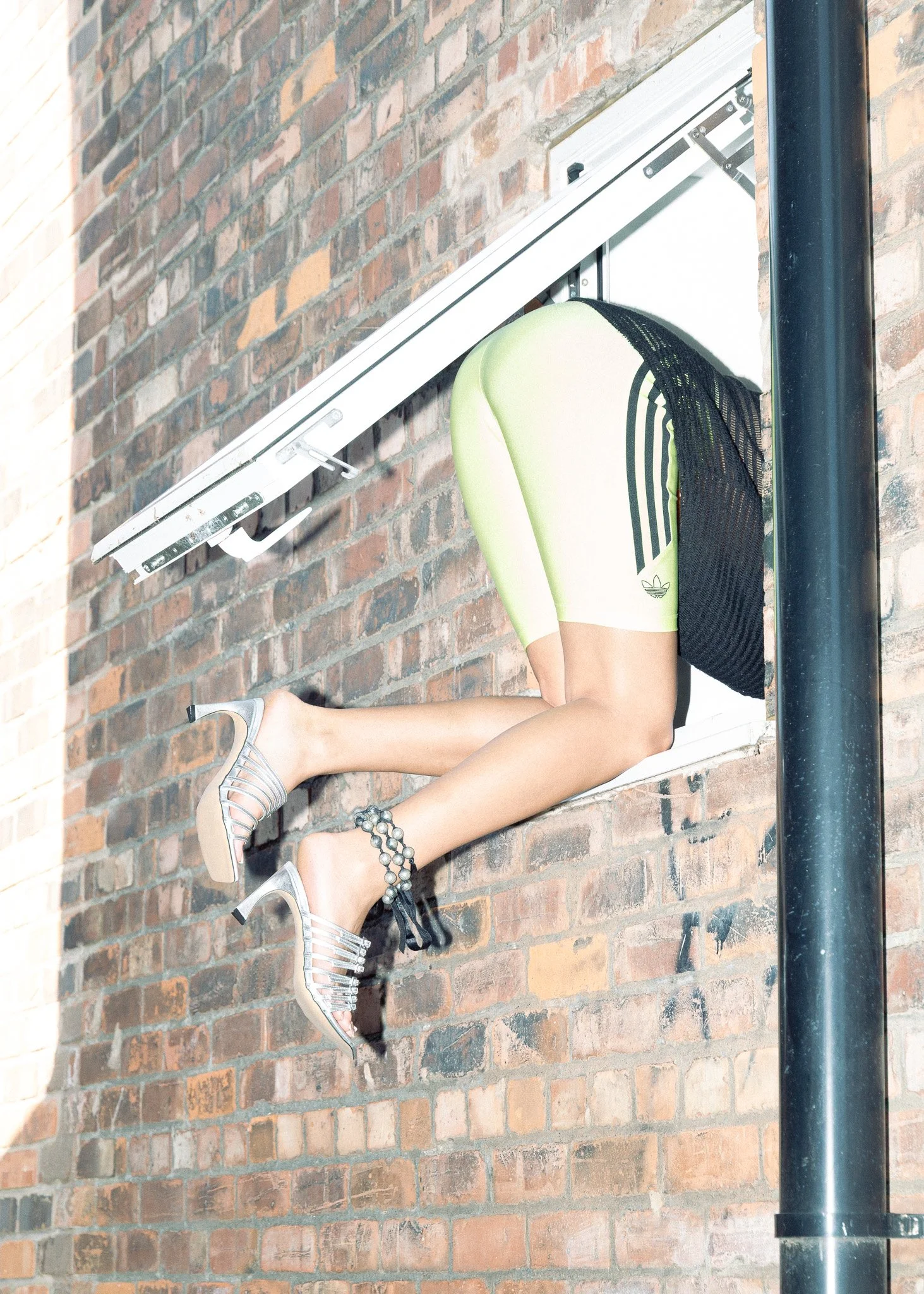
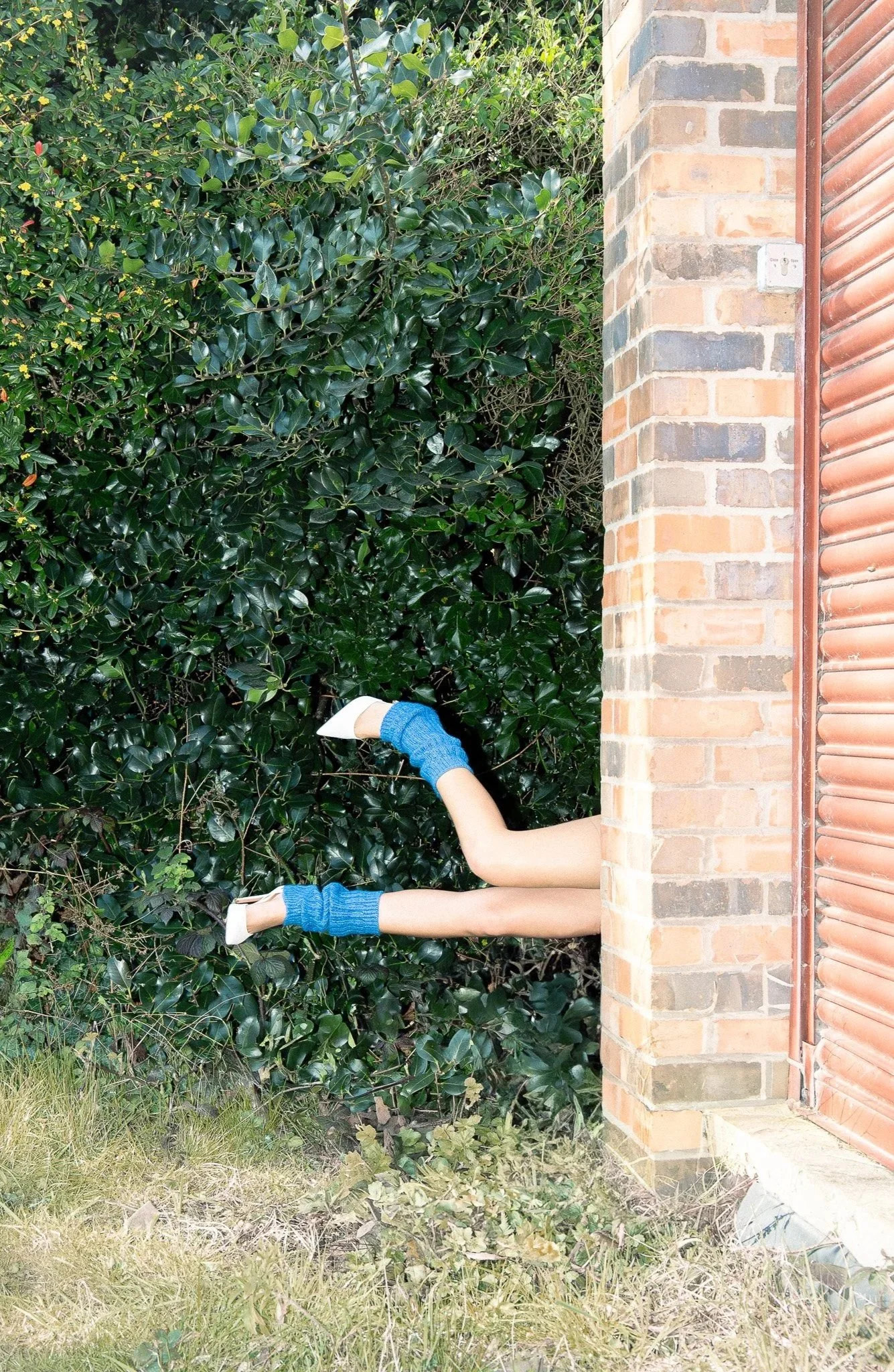
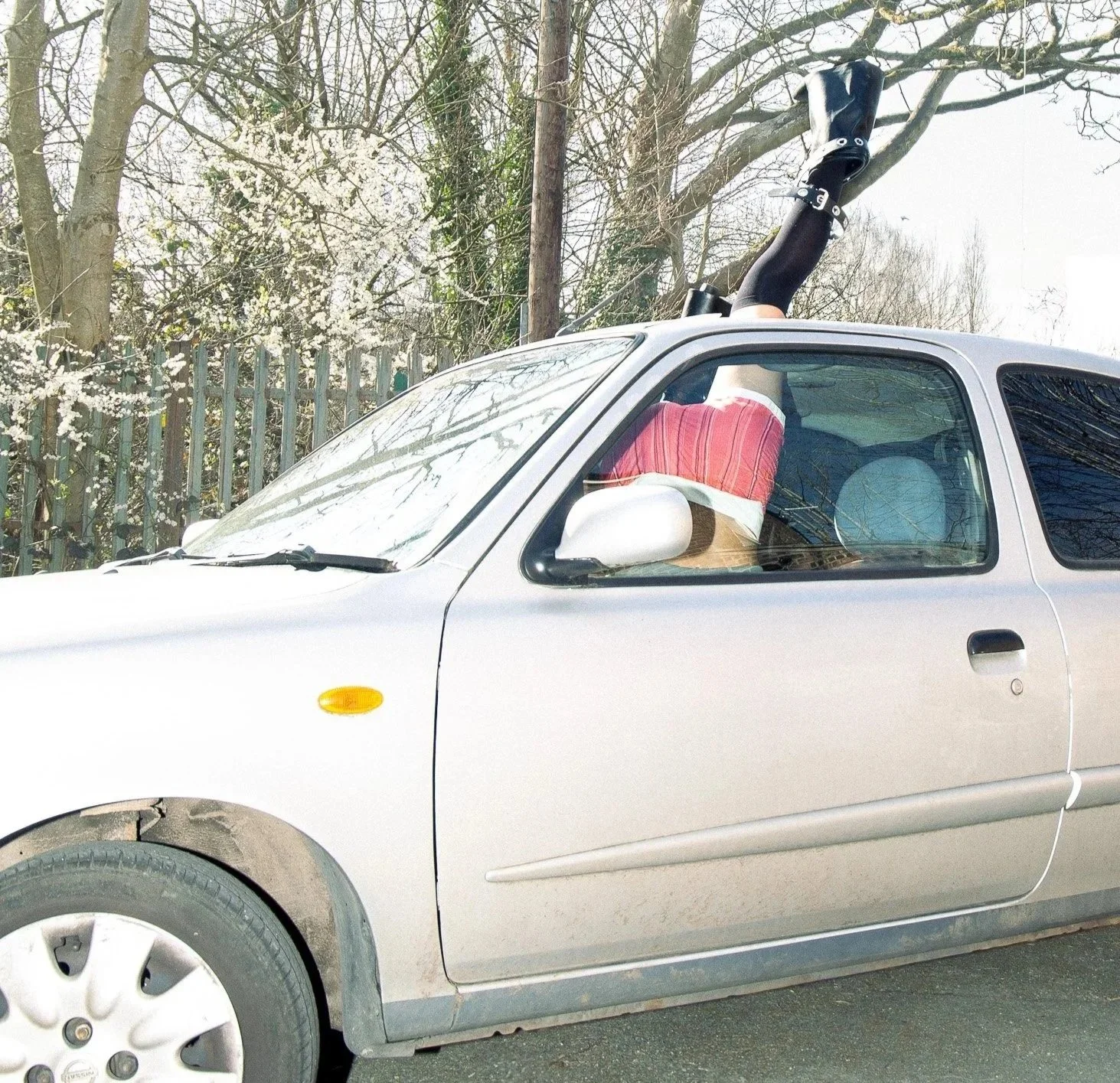
Where Do All The Lost Things Go? is deceptively playful.
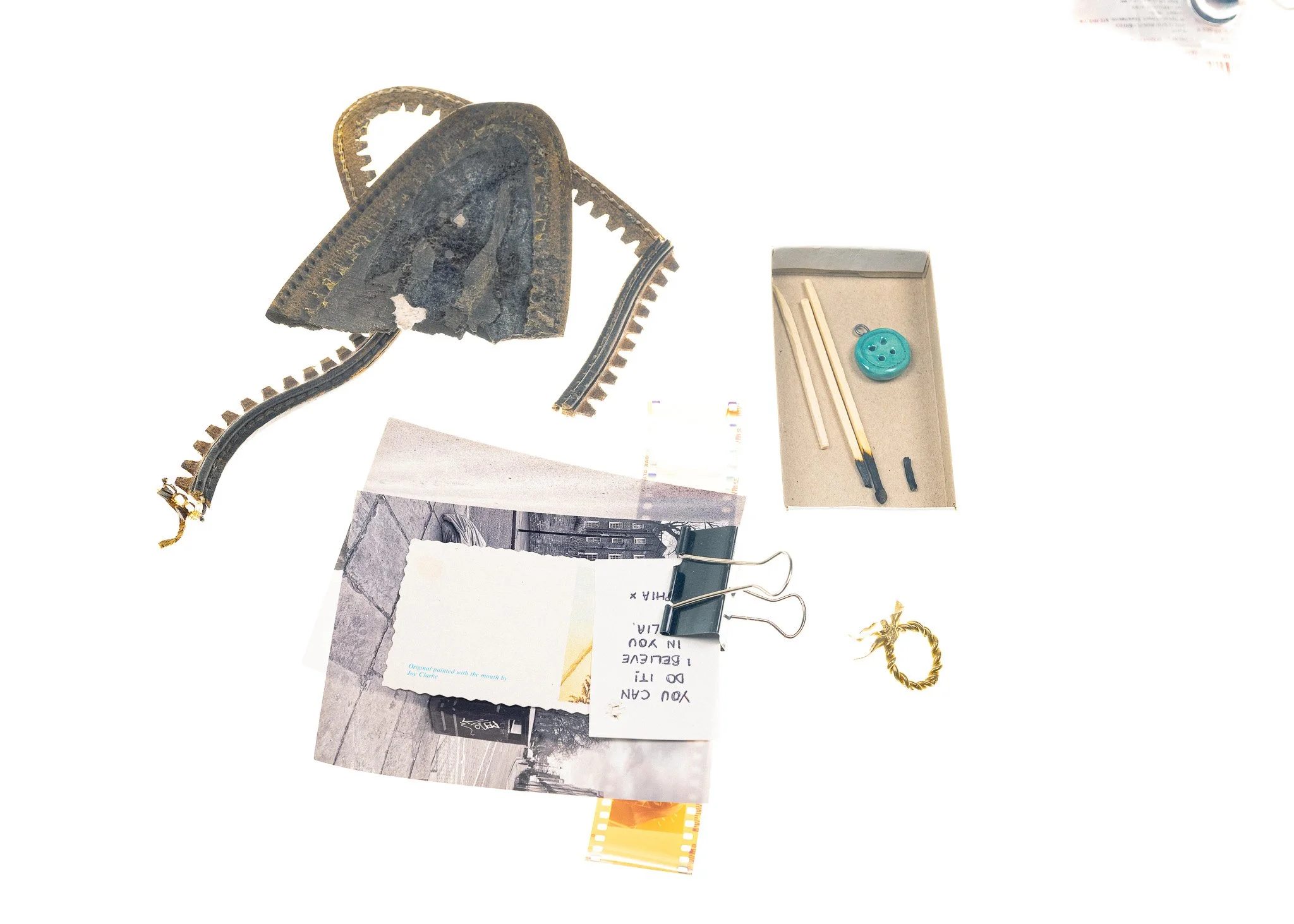
Co-created with photographer Jacob Sztor, still-life photographer Emilia Woods, and model Sophie Cartwright, the work reimagines the banal frustration of misplacing objects - keys, gloves, even time - as a surreal and emotionally charged search.
The absurd humour of the concept functions as an entry point, but the underlying theme is philosophical: what is the status of the “lost”? “Although silly on the surface,” Keira explains, “this elaborate, emotional search highlights the fragility of memory - and can be applied to a fear of losing intangible things too.”
Growing up in a small town just outside Sheffield, she developed an eye for beauty in unlikely places, learning to recognise meaning in what might otherwise be dismissed as mundane.
Now working in Manchester, her practice is marked by a refusal to separate fashion from lived experience. Hers is a styling practice that is relational rather than purely aesthetic. One that takes the social textures of everyday life as seriously as the garments themselves.
What sets Keira apart, is her ability to embed humour with humanity. The editorial may be playful, but its undercurrent is effective. Her work gestures toward what cultural theorists might call the everyday sublime: those fleeting, ordinary experiences that, when reframed, reveal their emotional density.
In a moment when fashion imagery is often either hyper-commercial or hyper-conceptual, Keira’s practice occupies a third space: conceptual, but accessible; experimental, but grounded. Her vision is not only about clothes, but about how fashion can act as a vessel for memory, identity, and overlooked forms of intimacy.