


Interview By : Rosie Callaghan
I caught Carley Armstrong just after a long day in the studio, winding down but still full of energy, as she reflected candidly on her creative journey. “My life is one big A to B to C,” she laughed, brushing aside the glamour so often associated with film and TV. For Carley, success is less about the titles and more about staying in motion and staying true to herself.
A BAFTA Connect Producer, a WFTV mentee and currently a 2025 Creative UK North East Growth participant, Carley is a producer, writer, and script supervisor with two decades of experience spanning theatre, television, and film. Her recent credits include Mission: Impossible, Malpractice, Black Adam, Brassic and Adolescence, but at the heart of it all, is a deep-rooted passion for Northern stories and working-class voices.
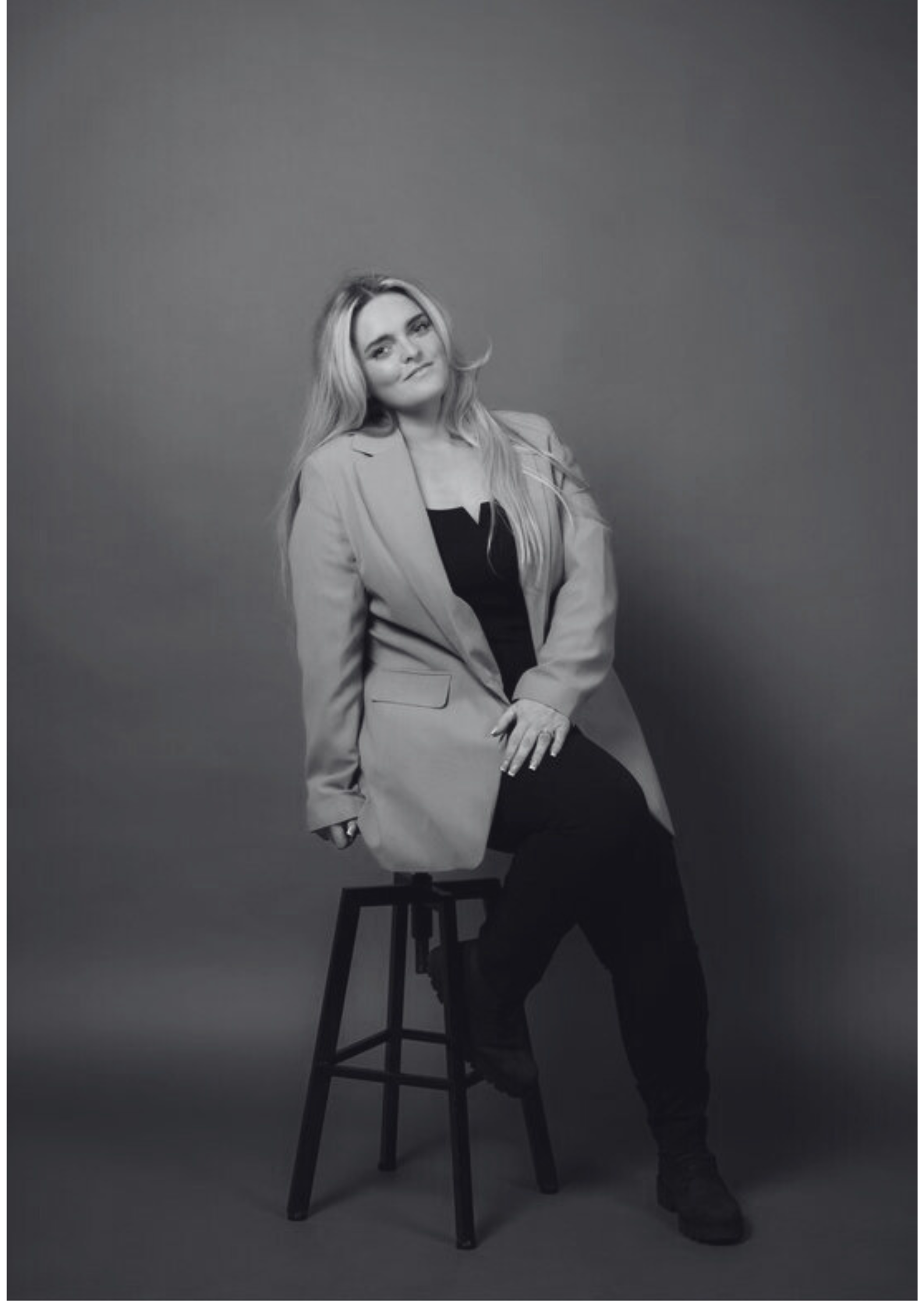
“I like being on the cusp of breaking through,” she told me, laughing. “I love it when it’s exciting and a bit dangerous. I do thrive in creating meaningful work though - that’s when I’m living my best life.” Her determination is unwavering, and she encourages emerging creatives, especially those from working-class backgrounds to bring the same energy: “Be eager, be willing, be helpful. That’s half the battle. The other half, is actually getting through the door.”
But it’s not just about talent. “You have to be personable and passionate” Carley said. “It’s less about roles sometimes and more about how you fit in. But the same applies for you. If I’m not enjoying something, when my personality starts to disappear, that’s when I know it’s not my place.” Her advice is simple and urgent: “Don’t just do things for the sake of doing things.”
Born and raised in Sunderland, Carley grew up in a region where creative careers were rarely visible, let alone accessible. “There were little opportunities in film and TV. The only way in was through theatre,” she said. “I’ve always loved drama, stories, scripts and characters. It was never about the glamour - it was always about the story.”
Still living in the North East, Carley remains fiercely loyal to her roots. “The North East is growing - not just the industry, but the ambition too. North East Screen is doing fantastic work.”
One of her long-term dreams is to build on her production company in Sunderland. “I want to make projects there, with cast and crew from the North East, that supports the next generation coming through. That’s on my radar.”
She’s passionate about outreach and the need to expose young people to the industry early. “We lose so many talented people to London because they don’t see a future here. It’s full circle - small towns lose their crew, productions come and can’t crew up, so they bring people from London and the cycle continues. But North East Screen are definitely working on this.”
As we turned to the future of film and TV, Carley didn’t hesitate to bring up AI. “The industry is changing fast,” she said. “AI is a contributing factor to this and we have to accept it. It reflects the patterns of how we consume media now - streaming, short-form content, mobile platforms.”
She recently completed an online AI masterclass herself. “You’ve got to keep developing your skills. I’m not being left behind by technology and I want to know how to incorporate that into my work. Netflix are already using AI in production. I don’t think it’ll replace everything (yet), but departments like VFX will definitely shift. So, I need to get one step ahead and understand it.”
“ChatGPT is my best friend, it knows everything” she said, only half-joking. “We need to be prepared for change, to pivot when needed. That is the key to lasting success.”
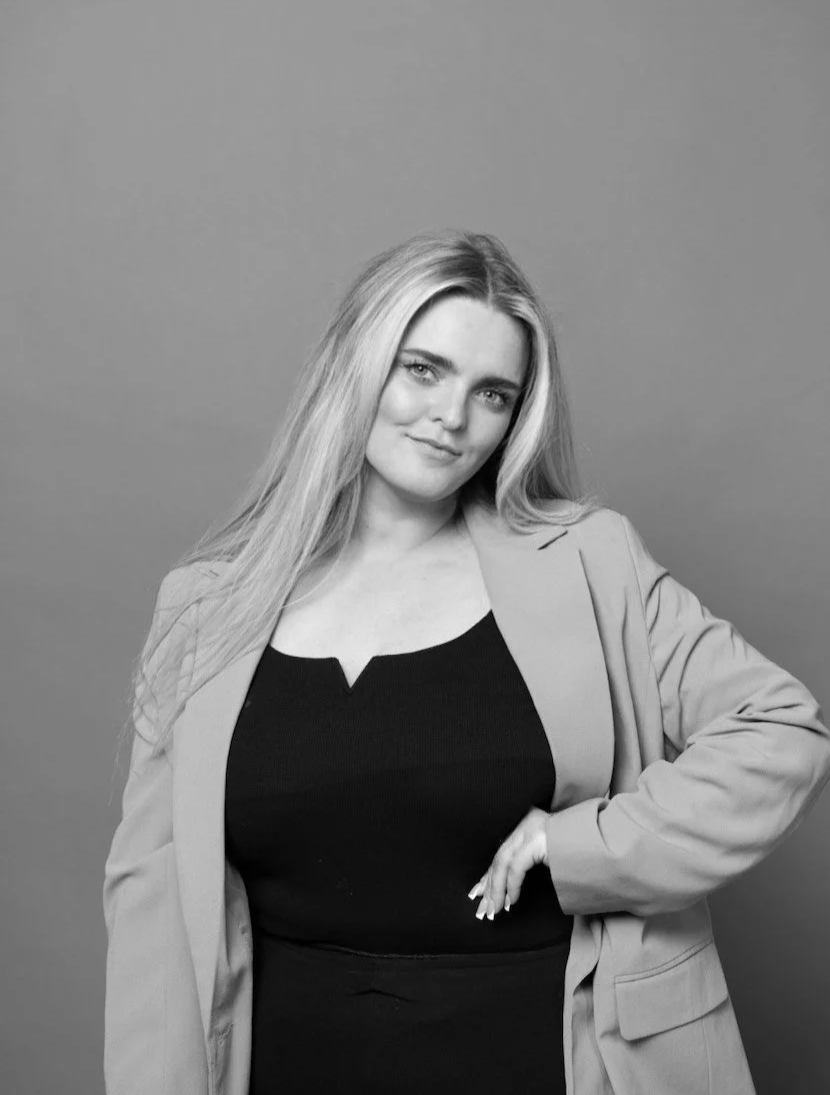
Throughout her career, Carley has faced - and pushed back against - the systemic class divide that plagues the industry. “People from working-class backgrounds are four times less likely to work in the creative industries. In film, TV and radio, just over 8% of creatives are from working-class backgrounds. That’s shocking, but actually unsurprising.”
“I was a bairn with a baby when I started,” she said, recalling her early years as a teenage single mother studying film. “No one expected me to succeed, and a lot of them didn’t want me to either and still don’t.” She laughed and continued, embracing the pain. “But I kept going. Despite the challenges. And now at 35, I know what I want and how I am going to get it. And if people aren’t on board, that’s fine. I’ll still do it anyway.”
That DIY attitude has powered her career. “You can’t wait for permission. You have to create your own work, even if it means using your phone and YouTube. Tiktok, Instagram, all these tools - they’re game changers. I didn’t have much of that when I started. We only had five channels and MySpace. But now filmmakers have all of this power at their figure tips. It’s a creatives world out there.”
Her message to young people from smaller towns is clear: “Embrace being an amateur. Learn as much as you can. Be totally cringe. I can’t tell you how many s***e films I’ve written and made that will never see the light of day. But that’s the only way you’ll grow. Visit places, use the internet, tap into your surroundings. Buy a small camera, or smart phone and go where the work is, be willing to broaden your horizons and take every opportunity. You never know where it will take you.”
Through her film production company, True Moon Pictures, Carley is investing in the next generation of filmmakers. She’s producing award-winning short films and feature films, being judged in film festivals all over the world. She’s currently the only UK Producer on the European Genre Forum with her project Little Bird, written and directed by Faye Jackson. “I also have two projects in post-production and coming soon. A Woman of Good Abilities written and directed by Mark Chapman and my debut feature film Amazing Grace directed by Ruth Carney. All of my films on my slate at present seem to have a woman in a dilemma with trauma at the centre of it. I think that’s trying to tell me something.”
"I also have a slate of TV shows, with my business partners Rebecca Davies and Sasha Ransom developing scripts with other writers.” Carley explains, “I want to do something with heart, and I want it to start in my hometown, in Sunderland. That’s why our production company is called Mack’em. Because that’s what we are going to do – Mack Em Productions, in Sunderland.”
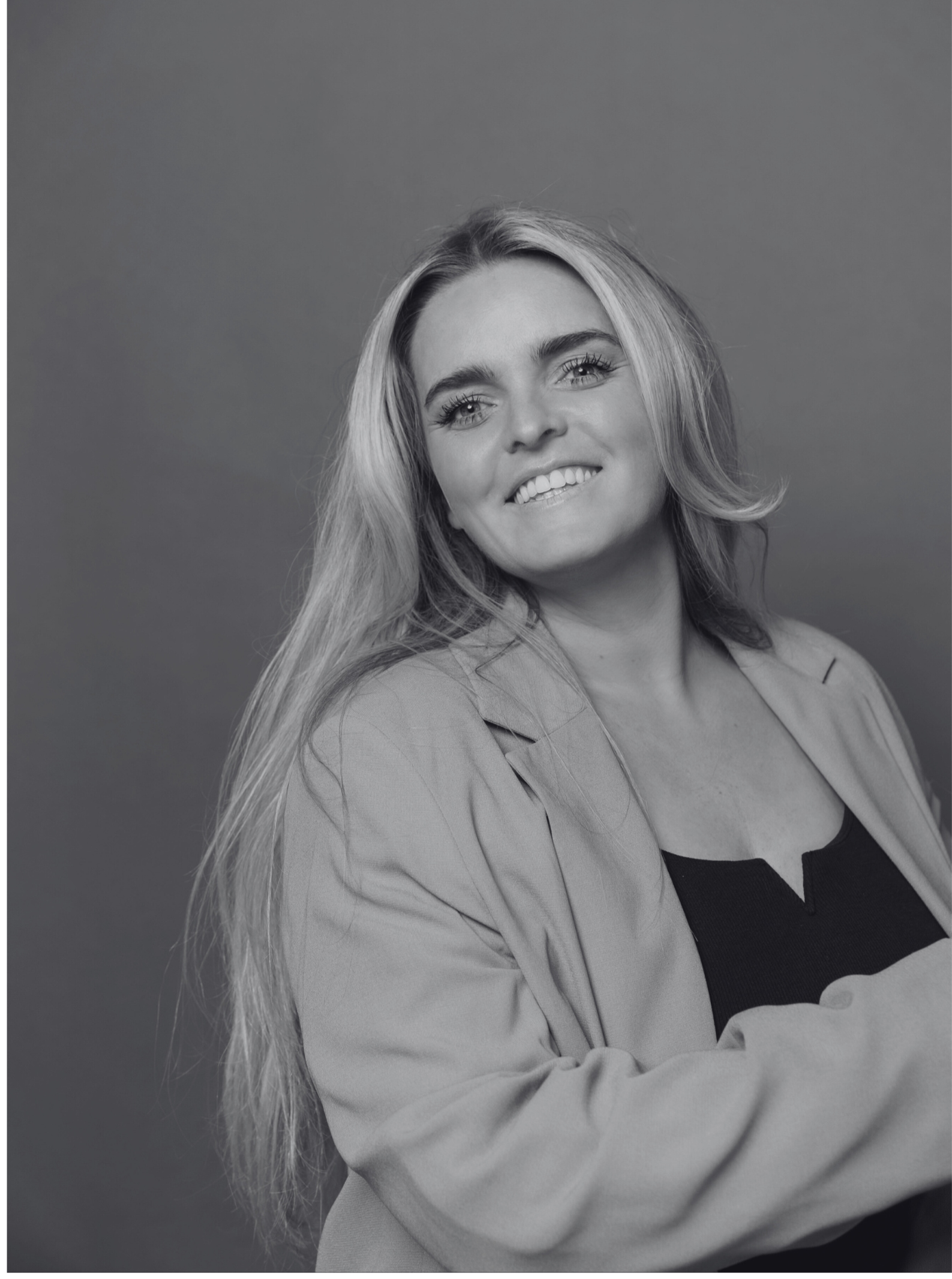
There’s a defiant optimism that pulses through everything Carley does. “And the thing about us Mackem’s is - we don’t give up, no matter what the odds are against us” she said. “We’ve been on the back shelf for so long. Not just in TV and Film but in other areas. Transport, Football, education, opportunities. All of it. But now we’re finally getting investment. Thanks to our combined authority and North East Mayor. We’re finally getting seen and finally fighting back.”
Carley Armstrong is more than just a creative force - she’s a disruptor, a mentor, and a relentless advocate for the overlooked. And if she has her way, the next generation of Northern voices and creatives won’t have to fight quite as hard to be heard.